

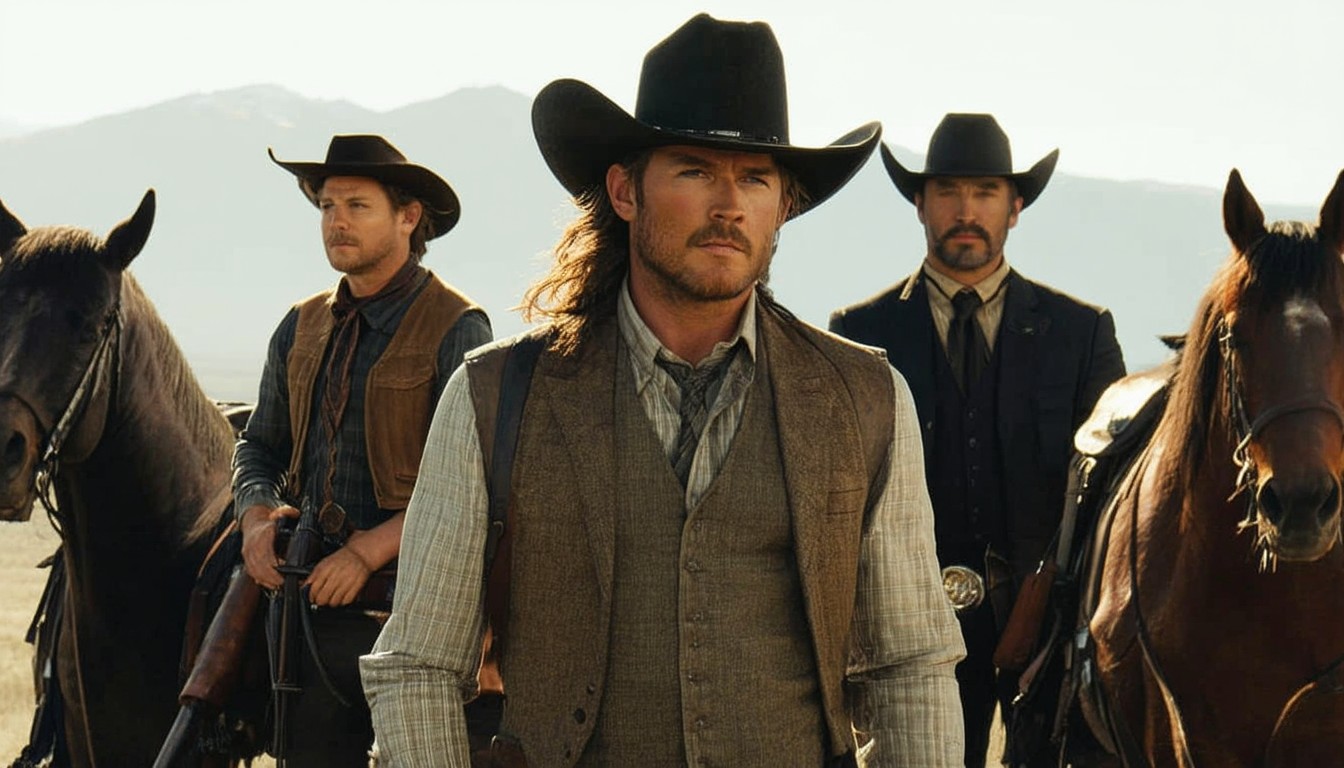
Unpack the expanding Yellowstone universe. Explore every Yellowstone spinoff, how they connect to the original series, their impact on TV, and what’s next for Taylor Sheridan’s powerhouse Western franchise.
The Expanding Legacy of Yellowstone
Few television dramas in recent years have captured American imaginations quite like Yellowstone. The neo-Western, created by Taylor Sheridan, launched in 2018 and quickly grew from a critically regarded cable show into a cultural juggernaut, driving mainstream interest in Western storytelling and sprawling family sagas. Not surprisingly, the success of Yellowstone has spawned a multi-generational franchise, with a suite of spinoff series that both deepen and widen the narrative universe.
When examining the world of Yellowstone spinoffs, it’s not just a question of sequels or prequels in the typical TV sense. Instead, these interconnected series are ambitious world-building exercises, blending historical drama with high-stakes contemporary conflict and rooted in real-world American landscapes.
Mapping the Yellowstone Universe: Every Spinoff Series
Sheridan’s franchise uses the Dutton family lineage as a narrative anchor, stretching across centuries. The original Yellowstone follows patriarch John Dutton (Kevin Costner) as he battles modern threats to his Montana ranch. Spinoff series expand this core, exploring the origins, decisions, and destinies of the Duttons through the decades.
1. 1883: The Genesis of the Dutton Family
The first major Yellowstone spinoff, 1883 traces the arduous journey of James and Margaret Dutton, played by Tim McGraw and Faith Hill. Their story is the foundational mythos of the Dutton legacy, packed with peril, loss, and gritty American frontier reality. Set against the backdrop of westward expansion, 1883 is as much about American history as it is about the Duttons’ personal saga.
The series was lauded for its authentic period detail and the emotional depth brought by the cast. Historical consultants and on-set experts were involved to ensure accuracy. As one television historian succinctly observed:
“With 1883, Sheridan set a new bar for Western period pieces—grounding sweeping stories in personal stakes, but never shying away from the brutal realities of the era.”
2. 1923: Surviving a Tumultuous Era
Building on the momentum of 1883, Paramount introduced 1923, starring Helen Mirren and Harrison Ford. This series drops viewers into a world of historic upheaval: Prohibition, the Great Depression, and looming world wars. The Dutton family, now more established, faces new existential threats to their ranch, battling both external enemies and the evolving pressures of American society.
1923 marks a crucial narrative bridge, linking the gritty pioneer roots of 1883 with the modern world depicted in Yellowstone. The show has been praised for balancing epic historical tableau with sharp, character-driven drama. Its portrayal of changing gender roles, Native American experiences, and the relentless march of progress gives the series a distinctive voice in contemporary television.
3. 6666: The Texas Connection
Moving away from Montana, the spinoff 6666 (pronounced “Four Sixes”) spotlights the famed Texas ranch of the same name, which was first introduced via recurring characters in Yellowstone’s later seasons. This ranch, based on a historic real-world operation, provides a unique setting—one that emphasizes the business, tradition, and mythology of ranching culture in the American South.
Unlike the prequel series, 6666 is set in the present day, and is expected to feature familiar faces from Yellowstone as well as new characters. The Texas ranch becomes a microcosm for contemporary Western challenges: technology versus tradition, generational change, and the evolving cattle industry.
4. Lawmen: Bass Reeves
While not directly following the Dutton family, Lawmen: Bass Reeves is branded under the larger “Yellowstone Universe” banner by Paramount, with Taylor Sheridan at the helm. This anthology series explores legendary lawmen from American history, with Bass Reeves—a real-life Black U.S. Marshal—featured in its first installment. The connection is more thematic than genealogical but points to Sheridan’s intent to create a broad, interconnected storytelling multiverse.
Intertwining Stories and Shared DNA
What sets these Yellowstone spinoffs apart isn’t just shared branding or overlapping cast; it’s the careful intertwining of stories, themes, and historical reference points. Characters, artifacts, and even family legends pass from series to series, giving each installment an added layer of depth and resonance for long-time viewers.
For example, fans watching 1883 and 1923 gain a deeper appreciation for the motivations and burdens carried by John Dutton and his kin in the parent series. Multi-generational storytelling lies at the heart of the franchise, reinforcing themes of legacy, sacrifice, and survival.
Narrative Devices Cementing the Franchise
- Recurring symbols and locations: The “Y” brand, the Yellowstone ranch, and pivotal outbuildings appear across centuries.
- Historical events: Each spinoff grounds itself in real-world moments—westward expansion, Prohibition, economic collapse—tying fiction to reality.
- Family artifacts: Heirlooms and traditions act as narrative through-lines.
Analyzing the Cultural and Industry Impact
The Yellowstone spinoff strategy is more than just a content grab; it’s an industry case study in how to deepen a franchise and meet insatiable audience demand. According to recent industry reports, the franchise is a significant driver of subscribers for Paramount+, with spinoffs like 1883 drawing millions of viewers to the platform.
The approach mirrors strategies employed by franchises such as Marvel or Star Wars—but with a distinctly American, character-driven twist. Critics credit Taylor Sheridan’s deep involvement in all creative aspects as a key reason for the high quality and cohesive tone of the series.
Paramount’s confidence in the Sheridan franchise signals a shift in content investment—from tentpole blockbusters to medium-budget, prestige television that builds lasting fandoms over multiple platforms.
Real-World Case: ‘1883’ Boosts Streaming Subscribers
Paramount executives noted a substantial uptick in new subscriptions to Paramount+ with the premiere of 1883, highlighting the power of interconnected storytelling to drive business results. TV analysts suggest that spinoffs, when crafted with quality and purpose—not just brand exploitation—can expand universes without diluting their core. Sheridan’s control and clear vision appear to be essential to that equilibrium.
What’s Next for Yellowstone and Its Universe?
With Yellowstone itself nearing a conclusion and additional spinoffs in active development, Paramount and Sheridan are betting big that the Dutton universe remains fertile ground. Confirmed installments reportedly include a “2024” continuation and other chapters still shrouded in secrecy.
As the Western genre enjoys a renaissance, Yellowstone and its spinoffs are both capitalizing on, and fueling, renewed interest in stories of land, inheritance, and the untamed American promise. The expansion strategy points toward more ensemble storytelling and the potential for crossovers, much like shared universes in superhero media.
Conclusion: The Yellowstone Method
The Yellowstone franchise stands as a paragon of how thoughtful spinoffs can energize not just a show, but an entire genre. Through a mix of historical drama, modern sensibilities, and relentless focus on family and land, Taylor Sheridan has created a storytelling template that others are now emulating. The Duttons’ saga—across centuries and settings—offers a uniquely American meditation on power, identity, and resilience.
With the universe still growing, fans can expect the Yellowstone legacy to evolve in surprising and resonant ways. For those seeking more than just entertainment, these spinoffs offer a mirror to both the past and future of the American experience.
FAQs
What are the main Yellowstone spinoffs?
The key Yellowstone spinoffs include 1883, 1923, 6666, and Lawmen: Bass Reeves. Each explores different eras or aspects of the Dutton family and the larger Western mythos.
Is it necessary to watch the spinoffs in order?
While each spinoff tells a self-contained story, watching them in chronological order—1883 → 1923 → Yellowstone → 6666—enriches the overall narrative experience and understanding of the Dutton dynasty.
How are the Yellowstone spinoffs connected?
The series are linked through recurring families, shared settings, historical events, and occasionally direct character crossovers. The spinoffs expand the Dutton family saga both backward and forward in time.
Are there more Yellowstone spinoffs planned?
Paramount and Taylor Sheridan have signaled ongoing plans for future spinoffs, including a potential “2024” sequel series and additional anthology projects pending official announcements.
What makes the Yellowstone franchise successful?
A mix of strong writing, immersive settings, and interconnected stories—plus the guiding vision of Taylor Sheridan—has fostered deep viewer investment and critical acclaim for the Yellowstone universe.
Do I need to watch Yellowstone to enjoy the spinoffs?
No, each spinoff stands on its own as a narrative, but existing fans will find added depth and connections by being familiar with the parent series.















Leave a comment