

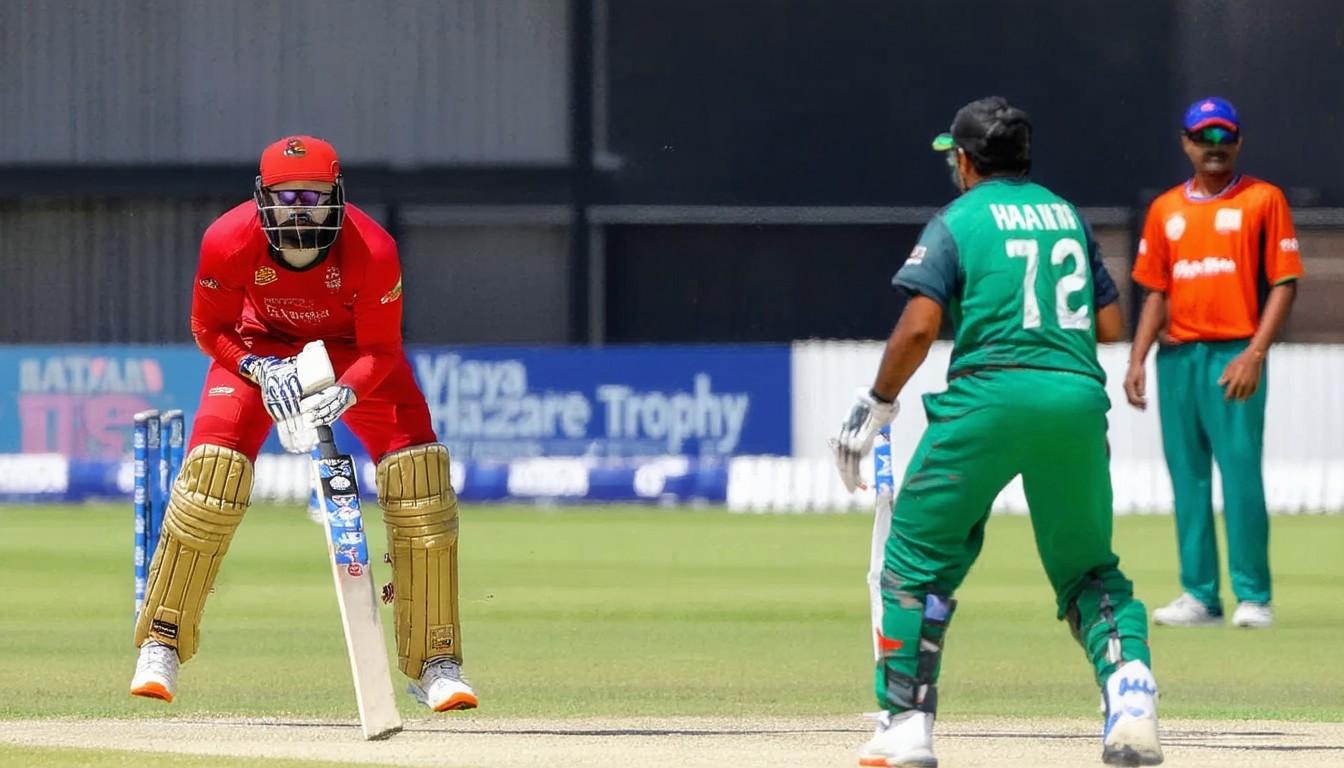
Regarded as the cornerstone of India’s domestic one-day cricket, the Vijay Hazare Trophy has steadily earned prestige since its inaugural season in 2002-03. Named after the legendary Indian cricketer Vijay Hazare, this tournament acts as a proving ground for emerging talents and a platform for established stars seeking national selection. The competition features teams from across the country, creating a melting pot of skill, regional pride, and cricketing ambition.
Year after year, the trophy provides a window into the evolving strategies and strengths of Indian domestic cricket. Its significance is further amplified by its timing—sandwiched between the Syed Mushtaq Ali T20 Trophy and the Ranji Trophy, making it crucial for players who aim to excel in the limited-overs format. This comprehensive guide explores the teams, format, records, and enduring highlights that make the Vijay Hazare Trophy a vital chapter in Indian cricket.
Structure and Format: Decoding the Tournament Blueprint
Teams: Diversity Across India’s Cricket Landscape
The Vijay Hazare Trophy comprises state teams representing regional cricket associations as well as teams representing government institutions and services. Typically, around 38 teams participate, divided into several groups. These include powerhouses like Mumbai, Karnataka, Tamil Nadu, and emerging competitors from the North-East.
Zoning and Group Stage Dynamics
- Teams are divided into groups, usually Elite and Plate Divisions.
- Grouping is based on previous season performances to ensure competitiveness.
- Top teams from each group advance to the knockout stage, while others battle to avoid relegation to lower groups.
This structure ensures regular competition across all levels, allowing a wide talent pool to gain exposure.
Format: One-Day Intensity With Knockout Edge
Every match in the Vijay Hazare Trophy is a 50-overs-per-side contest, mirroring the format of One Day Internationals (ODI). After a round-robin group stage, the top-performing sides proceed to the quarterfinals, semifinals, and ultimately the final.
Key Format Highlights:
- Matches follow standard ODI rules, including powerplays and fielding restrictions.
- Net run rate often plays a crucial role in determining progression, leading to strategic runs chases and bold declarations.
- Rain-affected games are resolved using the Duckworth-Lewis-Stern (DLS) method, reflecting international standards.
This structure not only hones players’ adaptability to ODIs but also tests consistency throughout the season.
Notable Records and Milestones: Where Legends Leave Their Mark
From astounding batting feats to game-changing bowling performances, the Vijay Hazare Trophy has hosted several record-shattering moments.
Individual Brilliance
Batting Landmarks
- Most Runs in a Season: Some players have crossed the 600-run mark in single editions, setting benchmarks for consistency.
- Highest Individual Score: Notably, certain seasons have witnessed double centuries—mirroring the aggression and talent reminiscent of international cricket.
- Run Machines: Veterans like Wasim Jaffer and upstarts such as Ruturaj Gaikwad and Prithvi Shaw have used this platform to catapult themselves into the national limelight.
Bowling Achievements
- Highest Wickets in a Season: Several bowlers have claimed 20+ wickets in a single campaign, highlighting the dominance of both seamers and spinners.
- Best Figures: Memorable spells include multiple six- and seven-wicket hauls.
“The Vijay Hazare Trophy has become a springboard for young cricketers to stake a claim for the Indian ODI squad. Outstanding performances here don’t go unnoticed by national selectors,” notes a prominent Indian cricket analyst.
Team Triumphs
Teams such as Tamil Nadu, Karnataka, and Mumbai have traditionally dominated the trophy, sharing a majority of title wins. Their success is driven not just by a rich talent pool but also structured domestic programs and robust support systems.
Key Highlights: Turning Points and Defining Moments
Iconic Matches and Nail-Biting Finishes
The competition has delivered some unforgettable finishes, including matches decided off the last ball and dramatic super overs in rain-shortened matches. Teams from less-established regions have occasionally toppled favorites, underlining the unpredictability of the domestic circuit.
Stepping Stone for Aspirants
Several past contenders have cited the Vijay Hazare Trophy as pivotal in shaping their cricketing technique and temperament. Notably, players such as Shikhar Dhawan, KL Rahul, and Mayank Agarwal shone in this arena before making headlines in international cricket.
Evolution of Tactics
Over the years, the tournament has demonstrated an evolving approach—be it in aggressive powerplay utilization, innovative field placements, or the strategic nurturing of all-rounders to match ODI demands. Coaches and support staff across teams now invest in detailed analytics and video assessments, reflecting a professional shift reminiscent of global trends.
The Trophy’s Place in Modern Indian Cricket
Beyond crowning state champions, the Vijay Hazare Trophy plays a vital role in shaping the Indian limited-overs landscape:
- Talent Identification: Performances here heavily influence team selection for India A tours and even the senior squad.
- Bench Strength: With the ever-demanding international calendar, the tournament ensures a steady supply of match-ready talent.
- Commercial Value: The rise of digital streaming and increased media coverage has expanded its reach, bringing sponsors and fans closer to the action.
As Indian cricket tilts toward data-driven decision-making, the analytical depth and player statistics from the Vijay Hazare Trophy contribute significantly to both talent evaluation and game strategy formulation.
Conclusion: The Enduring Significance of the Vijay Hazare Trophy
The Vijay Hazare Trophy remains an essential pillar of Indian domestic cricket. Its competitive format, wide-ranging talent showcase, and ability to shape future international stars underline its significance. For fans, selectors, and players alike, the trophy sits at the very heart of India’s cricketing ecosystem—a stage where tomorrow’s heroes take their first step under the spotlight. Staying attuned to emerging trends and evolving strategies within the tournament will continue to be vital for anyone invested in the future of Indian cricket.
FAQs
What is the Vijay Hazare Trophy?
The Vijay Hazare Trophy is India’s premier domestic one-day cricket tournament featuring state and institutional teams competing in a 50-overs-per-side format.
How do teams qualify for the knockout stage?
Teams are divided into groups and play round-robin matches. The top teams from each group qualify for the knockout rounds based on points and, if necessary, net run rate.
Which teams have historically performed best?
Teams such as Tamil Nadu, Karnataka, and Mumbai have consistently performed well, securing multiple titles due to strong grassroots structures and talent development.
Why is the Vijay Hazare Trophy important for Indian cricket?
It acts as a critical platform for players aspiring to the national ODI team, allowing selectors to gauge talent in a competitive environment similar to international cricket.
Are matches in the Vijay Hazare Trophy broadcast or streamed online?
Yes, recent editions are broadcast on select sports networks and are available on major streaming platforms, significantly increasing the tournament’s reach among fans.
How does performance in this tournament impact player careers?
Consistent performance can lead to selection for India A and even the senior national team, making it a vital pathway for ambitious domestic cricketers.












Leave a comment