

The last few years have seen an unmistakable resurgence of statement-making hairstyles, and none has captured the zeitgeist quite like the wolf cut. This eye-catching look—fusing punk vibes with effortless chic—has become a global phenomenon, fueled by the growing appetite for styles that blend individuality and low-maintenance appeal. Social media feeds, from TikTok to Instagram, are awash with iterations of the wolf cut, reflecting a sea change in beauty ideals and personal branding.
What sets the wolf cut apart is its dynamic structure: shaggy layers, face-framing bangs, and an edgy, intentionally “undone” finish. Salons across major cities report a steady uptick in requests for this hairstyle, with stylists describing it as a versatile cut that works on a broad range of hair types and textures. But beyond its visual impact, the wolf cut stands as a symbol of boldness, authenticity, and a willingness to break from traditional norms—a fitting emblem for the current cultural moment.
Understanding the Wolf Cut: Origins and Why It Resonates Now
A Fusion of Retro and Contemporary Attitude
The wolf cut draws inspiration from both the mullet and the shag, two iconic haircuts that defined the 1970s and 1980s. Where the mullet delivered drama with short front, long back contrast, and the shag introduced feathery, rock-and-roll layers, the wolf cut mixes their strengths. The result? A multi-layered, tousled form that complements natural movement and volume.
Fashion historians and industry commentators have traced its emergence to renewed nostalgia for vintage styles, blended with the Gen Z-driven push for self-expression. When K-pop stars—such as BTS’s Taehyung and BLACKPINK’s Jennie—debuted variations of the cut, international interest soared, sparking a ripple effect far beyond Korea.
“The wolf cut is more than just a hairstyle; it’s a cultural statement. It says you’re confident enough to stand out, but you also want something practical and unfussy for modern life.”
— Eliza Nishimura, Senior Stylist at Atelier Tokyo
Why the Wolf Cut Appeals Today
This wave of popularity is hardly accidental. The wolf cut resonates for several reasons:
- Gender Fluidity: Its unisex vibe fits well with evolving understandings of gender and beauty.
- Customizability: Works with straight, wavy, or curly textures; lengths can be highly personalized.
- Styling Freedom: Easily “worn” with minimal daily maintenance.
- Influencer Power: Viral TikTok transformations showcase everyday people achieving dramatic, attainable new looks.
These factors, coupled with a global move toward casual, lived-in beauty standards post-pandemic, keep the wolf cut relevant and in demand.
Creative Wolf Cut Hairstyle Ideas for Every Personality
Classic Shaggy Wolf Cut
The archetypal wolf cut features layered volume at the crown and tapered, choppy ends. Bangs—either blunt or curtain style—soften facial features and highlight the eyes. In practice, this is the template seen most often on runways and in digital lookbooks.
Textured Wolf Cut for Curls and Waves
Curly-haired individuals need not sit out the trend. Salons tailor the wolf cut’s structure to maximize movement, minimizing bulk while amplifying natural shape. For example, the Los Angeles-based stylist Takashi Kitamura adapts the cut by point-cutting ends, ensuring curls spring freely.
Micro or Mini Wolf Cut for Short Hair
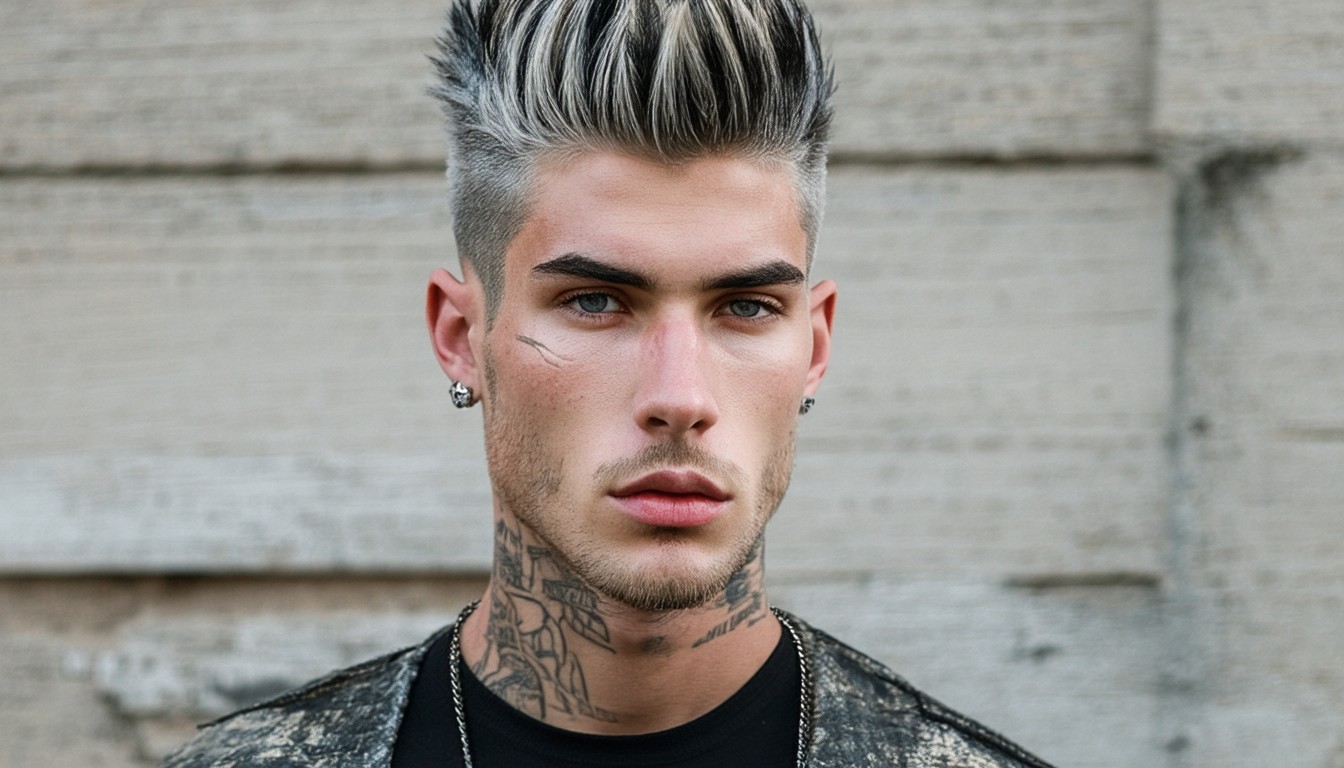
Short hair can carry a wolf cut with punk verve. A cropped version involves close-cut sides, volume at the top, and precise, razored edges—a favorite among those favoring daring, fashion-forward shifts.
Long, Soft Wolf Cut with Subtle Layers
For those seeking length retention, gentle layering creates softness and movement without sacrificing volume. This approach is frequently favored by clients who want a taste of edginess with accessibility; it’s both corporate-appropriate and easy to style at home.
Colored Wolf Cut: Elevating Impact
Bold color, whether platinum blonde, pastel pink, or deep sapphire, intensifies the wolf cut’s statement. Anecdotally, a survey of top London salons suggested a marked increase in experimental dye requests paired with wolf cuts over the past two years. This underscores a growing trend toward head-to-toe self-styling.
Styling and Maintenance: Mastering the Effortlessly Cool Look
At-Home Styling Tips
While the wolf cut boasts a “wake up and go” reputation, a few techniques maximize its impact:
- Apply a texturizing spray or mousse to damp hair.
- Scrunch with fingers while blow-drying, or let it air dry for enhanced separation.
- Use a lightweight wax or pomade to define ends and bangs.
- Dry shampoo between washes keeps roots voluminous.
A major benefit is its “imperfect” effect—flat irons and brushes are optional, not mandatory.
Salon Maintenance and Growing Out
The wolf cut typically sustains its shape for several weeks, growing out gracefully due to its layered nature. However, industry professionals recommend a trim every 8–12 weeks to maintain structure, especially if the cut features heavy bangs or substantial texturing.
Real-World Examples: How the Wolf Cut Powers Personal Branding
The wolf cut’s flexible aesthetic makes it a go-to for musicians, digital creators, and anyone aiming to broadcast personality visually. When Billie Eilish unveiled a platinum wolf cut, searches for the style spiked dramatically. Similarly, smaller influencers—like fashion vlogger Nyane Lebajoa—have cited the cut as essential to their current image, crediting it with increased engagement and expressiveness.
On a local scale, many stylists note that both high school students and professionals are requesting wolf cuts for the same reason: it provides an outlet for identity exploration without drastic color or extreme shortness.
Conclusion: Why the Wolf Cut Endures as a Trend
Over time, the wolf cut has cemented its place not just as a passing trend, but as a versatile canvas for bold, effortless self-expression. Its ability to adapt—across lengths, textures, and even colors—explains its widespread staying power. For those seeking a refreshed look that is both low-fuss and high-style, the wolf cut offers a dynamic option that fits into the lifestyles and social currents of today. As the beauty landscape evolves, expect this rebellious yet wearable cut to remain center stage.
FAQs
What is a wolf cut and how is it different from a mullet?
A wolf cut combines shaggy layers throughout with heavier volume at the crown, creating a blend of shag and mullet aesthetics. It’s generally softer and more textured than a traditional mullet, with less of a sharp contrast between front and back.
Is the wolf cut suitable for all hair types?
Yes, the wolf cut can be customized for straight, wavy, or curly hair. Stylists adapt the layering and length to suit each texture, enhancing natural movement and volume.
How much maintenance does a wolf cut require?
The wolf cut is considered low-maintenance, needing only occasional trims every few months. Simple styling products like texturizing spray or wax help keep the look fresh and dimensional.
Can men and women both wear a wolf cut?
Absolutely, the wolf cut is inherently unisex. Its flexible structure works across gender identities and personal styles, making it a popular choice for everyone.
Will the wolf cut work with colored or treated hair?
Yes, the layered effect of a wolf cut often enhances the visual interest of colored or highlighted hair. It pairs well with bold hues, balayage, and even subtle tinting.
How do I explain the wolf cut to my stylist?
Bringing reference photos and describing the desired length, level of layering, and type of bangs will help. Specify whether you prefer more or less volume, and any styling goals—such as easy upkeep or dramatic flair.













Leave a comment