

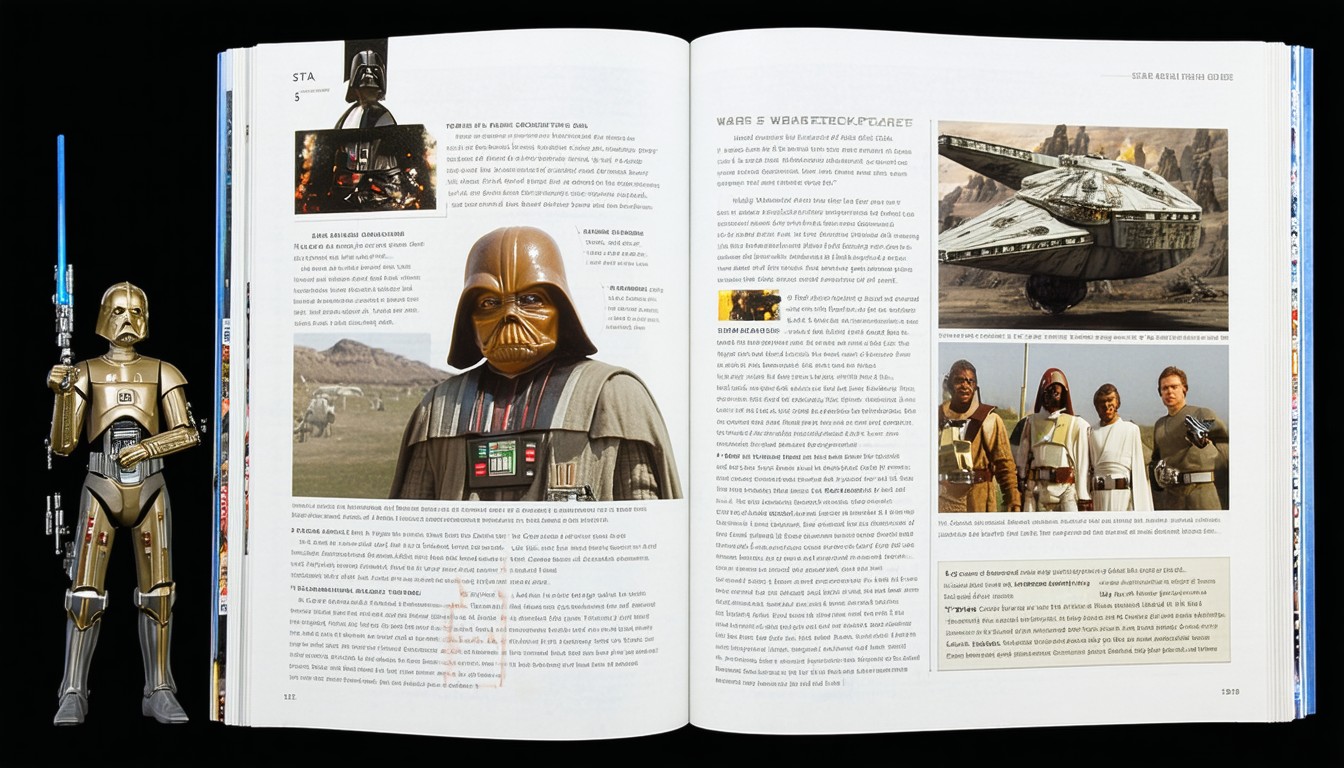
Few cinematic universes have left an imprint as enduring as Star Wars. First released in 1977, what began as George Lucas’s space fantasy evolved into a multi-generational phenomenon spanning more than four decades. With blockbuster movies, iconic characters, spin-off series, and a merchandising empire, Star Wars continues to shape the storytelling, aesthetics, and fandom of global entertainment.
Navigating the Star Wars Movie Timeline
Understanding where to start with Star Wars movies is an entry point for new fans and essential context for veterans. The franchise is organized into three trilogies—collectively known as the Skywalker Saga—supplemented by standalone films and recent Disney+ original series.
The Original Trilogy: A New Hope for Cinema
Launched with “Star Wars: Episode IV – A New Hope” in 1977, the original trilogy introduced audiences to Luke Skywalker, Princess Leia, Han Solo, and Darth Vader. This saga redefined science-fiction filmmaking, pioneering visual effects and sound design that set new industry standards.
The trilogy’s narrative arc, which follows the rebellion against the tyrannical Empire, is often cited as a classic hero’s journey. Its sequels, “The Empire Strikes Back” (1980) and “Return of the Jedi” (1983), cemented the series’ cultural cachet.
The Prequel Trilogy: Ambition, Politics, and Digital Innovation
Released between 1999 and 2005, the prequel trilogy dives into the rise and fall of Anakin Skywalker. These films, while divisive among critics and fans, achieved major box office success and introduced digital filmmaking advances. The prequels enriched the universe’s lore, popularizing Jedi philosophy, political intrigue, and characters such as Padmé Amidala and Darth Maul.
The Sequel Trilogy and Beyond: New Generations
Disney’s acquisition of Lucasfilm in 2012 ushered in a new era, launching the sequel trilogy with “The Force Awakens” (2015), followed by “The Last Jedi” (2017) and “The Rise of Skywalker” (2019). This trilogy introduces Rey, Finn, Poe Dameron, and Kylo Ren, merging nostalgia with fresh storylines. Revenue from this era surpassed billions, signaling the franchise’s enduring commercial appeal.
Beyond the main saga, successful spin-offs like “Rogue One” and “Solo,” along with TV shows such as “The Mandalorian” and “Andor,” have deepened fan engagement and expanded the universe’s scope.
“Star Wars is not just a movie series—it’s a blueprint for cross-generational, transmedia storytelling.”
— Dr. Maggie Wheatley, Professor of Contemporary Media Studies
Unforgettable Characters and Iconic Relationships
At the heart of Star Wars are characters whose arcs transcend the screen. Their journeys, flaws, and relationships have inspired worldwide fandom and countless reinterpretations.
Legends of the Light and Dark
- Luke Skywalker: Initially a farm boy, Luke’s arc embodies heroism and moral evolution.
- Leia Organa: Celebrated as one of cinema’s earliest feminist icons, Leia’s resilience has had lasting influence.
- Darth Vader: The redemption of Anakin Skywalker remains one of film’s most poignant transformations.
- Han Solo and Chewbacca: Their camaraderie fuses wit, loyalty, and adventure.
Opposing these heroes are villains like Emperor Palpatine and Kylo Ren, whose complexity redefines good versus evil.
New Faces of the Galaxy
Characters introduced in recent entries—Rey, Finn, and Grogu (“The Child” from The Mandalorian)—reflect evolving attitudes about diversity, agency, and the nature of legacy in storytelling. Their instant popularity underscores the franchise’s ability to stay culturally relevant.
The Galactic Saga: World-building, Politics, and Mythology
The impact of Star Wars extends beyond plot. Its detailed world-building, political allegories, and mythological roots have influenced modern fiction at every level.
Building a Universe
The meticulous creation of planets, species, and histories set a precedent for immersive world-building. From the desert sands of Tatooine to the urban sprawl of Coruscant, each environment enhances narrative depth.
Themes and Real-World Parallels
Star Wars weaves universal themes: the struggle for freedom, the corruption of power, and the value of hope. Political commentators often draw parallels between the Galactic Senate and real-world politics, highlighting the saga’s resonance in contemporary discourse.
Merchandise and The Force of Fandom
The associated merchandise, from action figures to video games, has set commercial records. Events like Star Wars Celebration and the thriving cosplay community exemplify how the saga’s fandom has become a cultural force unto itself.
The Enduring Impact of Star Wars on Cinema and Culture
Over decades, the influence of Star Wars has pioneered technologies, defined genre conventions, and inspired creative industries. Visual storytelling innovations—like Industrial Light & Magic’s effects or John Williams’s symphonic score—have become industry touchstones.
Moreover, the saga’s legacy endures across books, comics, and streaming spin-offs. Disney+ shows such as “The Mandalorian” have received critical acclaim, attracting both lifelong fans and newcomers. The franchise continues to inspire lessons in storytelling, diversity, and digital strategy.
Conclusion: Why Star Wars Matters More Than Ever
Star Wars has achieved what few franchises manage: a seamless blend of timeless myth and ever-advancing technology, uniting generations in shared wonder. As new creators contribute to the canon, the saga’s core—hope, redemption, and the battle between light and dark—remains as compelling as ever. For the millions who find meaning in its stories, Star Wars stands as an essential guidepost in the evolving galaxy of pop culture.
FAQs
What is the best order to watch the Star Wars movies?
Many recommend the release order (original, prequels, sequels) for first-timers, while others prefer the chronological saga order for narrative flow.
Is Star Wars just for science-fiction fans?
Not at all. The saga blends space adventure, mythology, drama, and family, appealing to a broad cross-section of viewers.
How has Star Wars influenced other films and media?
Star Wars set benchmarks in special effects, sound, and franchise storytelling, influencing everything from superhero films to video game narratives.
Who owns the Star Wars franchise now?
Disney acquired Lucasfilm in 2012 and continues to expand the franchise with new films, series, and experiences.
Can new viewers enjoy Star Wars without prior knowledge?
Absolutely. Each new series and trilogy is designed to welcome new audiences, though deeper enjoyment comes with exploring the full saga.
Where can I watch Star Wars movies and shows?
Most Star Wars content is available on Disney+, with some films and classics also released on traditional home media and digital platforms.














Leave a comment