

The term “pilgrim” evokes richly layered meanings that resonate across centuries and cultures. Most commonly, a pilgrim is understood as someone on a journey—traditionally for religious or spiritual reasons—to a place of profound personal or communal significance. Yet, the concept extends well beyond literal travel. In today’s world, being a pilgrim can also embody a quest for purpose, growth, or discovery, whether in physical, emotional, or intellectual dimensions.
The English word “pilgrim” derives from the Latin peregrinus, meaning “foreign” or “traveler.” Historical records reveal that ancient societies—including Greeks, Romans, Hindus, Buddhists, Muslims, and Christians—have all honored pilgrimage as a core ritual or rite of passage. What unites these diverse traditions is a recognition of the transformative power that comes from leaving the familiar, crossing boundaries, and seeking something transcendent.
Historical Significance of Pilgrimage Across Cultures
Ancient Traditions: More Than Religious Travelers
Long before the modern era, the act of pilgrimage held deep cultural and spiritual meaning. Ancient Greeks traveled to Delphi, seeking the oracle’s wisdom. In the East, Buddhists journeyed to sites associated with the Buddha’s life, and Hindus continue to undertake the Kumbh Mela, one of the world’s largest spiritual gatherings. In Islam, the Hajj pilgrimage to Mecca remains a central pillar of faith, drawing millions annually.
In the Judeo-Christian tradition, pilgrimage became especially prominent during the Middle Ages. Christian pilgrims braved long, perilous routes to Jerusalem, Santiago de Compostela, and Rome, often risking—and sometimes losing—their lives for faith. Medieval European society developed a whole ecosystem around pilgrimage, from hospices and “wayside” churches to the badges and tokens worn by returning travelers.
“The historical pilgrim was as much a participant in community transformation as in personal revelation,” notes Dr. Anne Bailey, historian of medieval Christianity. “Their journeys reshaped towns, trade, and the very fabric of religious life.”
Pilgrims in American History
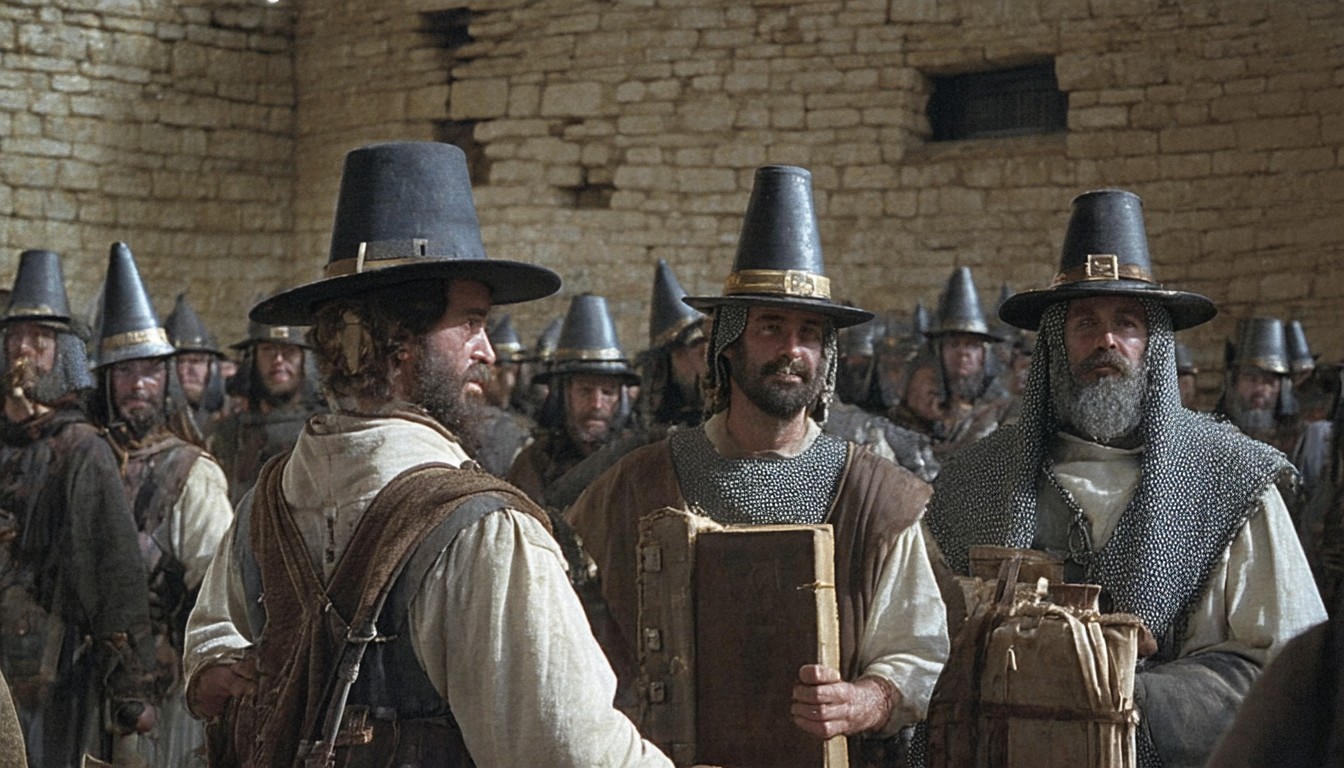
Few images in American collective memory are as iconic as the Mayflower Pilgrims. Arriving in 1620, these English Separatists sought religious freedom in the New World. Their story is emblematic of the broader theme: the pilgrim as the archetype of resilience, risk-taking, and idealism. Thanksgiving, now a national holiday, commemorates their survival and cooperation with Indigenous peoples—though modern critics urge a more nuanced reflection on this legacy.
Beyond the first Thanksgiving, the word “pilgrim” has come to symbolize the courage to journey toward freedom and new beginnings, making it a central motif in American mythology.
The Pilgrimage Experience: Motivations and Transformations
Why People Embark on Pilgrimages
At its heart, pilgrimage is driven by a search for meaning, answers, or belonging. While religious devotion is a strong motivator, many modern pilgrims embark on journeys for diverse reasons:
- Spiritual renewal or enlightenment
- Seeking forgiveness or healing
- Commemorating a significant life event
- Exploring cultural heritage
- Pursuing adventure, challenge, or solitude
In the contemporary landscape, the Camino de Santiago in Spain attracts not only devout Catholics but also secular travelers eager for a months-long experience of reflection, camaraderie, and self-discovery.
Transformative Power of the Journey
Research consistently highlights the psychological and emotional benefits of pilgrim journeys. Studies report that many pilgrims experience an increased sense of clarity, resilience, and connection—both to self and to a larger community. The act of journeying itself, coupled with encounters along the way, often becomes more meaningful than reaching the actual destination.
For instance, data from a recent survey of Camino de Santiago participants found that the majority returned with a heightened sense of gratitude and interpersonal trust, regardless of their initial motives.
Pilgrimage in the Modern World: Beyond Borders and Beliefs
Secular and Cultural Pilgrimages
Not all present-day pilgrims are religious. Increasingly, walks like the Appalachian Trail, Japan’s Shikoku Pilgrimage, or even destinations like Graceland or literary sites are embraced as forms of secular pilgrimage. For some, attending a music festival, political march, or sporting event takes on the symbolic weight of pilgrimage—a journey in search of a life-altering experience.
Social, Economic, and Environmental Impacts
Modern pilgrimage, when managed thoughtfully, can benefit local economies and foster cultural preservation. Major pilgrimage sites often support whole industries based on hospitality, crafts, and heritage tourism. However, the massive influx of visitors sometimes raises concerns about environmental strain, cultural commodification, or inequity in access.
Efforts to address such challenges are growing. Organizations and municipal authorities along pilgrimage routes increasingly promote sustainable travel, seek to balance profit with preservation, and emphasize respect for local culture.
Personal Reflections: The Inner Pilgrim
In a broad sense, everyone can be a pilgrim—not just those who board a plane to Jerusalem or walk the Camino. The archetype of the pilgrim speaks to the universal human drive to seek, question, and grow. Literature, film, and art are replete with references to “life as a journey,” underlining the enduring appeal of the pilgrim.
Though motivations and contexts shift, the deeper meaning of pilgrimage endures: a willingness to embark on the unknown in search of insight, healing, or transformation.
Conclusion: The Enduring Significance of Pilgrims
The concept of the pilgrim remains a vital force in culture and individual life. Whether traveling to ancient shrines, forging new communities in foreign lands, or undertaking inner journeys of change, pilgrims continuously shape—and are shaped by—the worlds they traverse. Recognizing the evolving expressions of pilgrimage can foster empathy, resilience, and a greater understanding of the journeys that connect us all.
FAQs
What defines a pilgrim in modern terms?
A pilgrim is typically someone who undertakes a journey—physical or metaphorical—toward a place of special significance, often for spiritual, personal, or cultural reasons.
Is pilgrimage only a religious practice?
No, while rooted in religious tradition, pilgrimage today spans secular, cultural, and even adventure contexts, such as walking famous trails or visiting landmarks of personal meaning.
What are some famous pilgrimage sites around the world?
Notable sites include Mecca (Hajj), Jerusalem, Santiago de Compostela, the Kumbh Mela in India, Kumano Kodo in Japan, and even sites like Graceland in the United States.
How has the meaning of ‘pilgrim’ evolved over time?
Originally describing religious travelers, the word “pilgrim” now encompasses anyone undertaking a meaningful journey of any kind—spiritual, personal, or communal.
Can everyday experiences be considered pilgrimages?
Many view significant life transitions or quests for self-discovery as personal pilgrimages, emphasizing growth and transformation rather than physical travel.
What impact does pilgrimage have on society?
Pilgrimage can foster economic development, cultural exchange, and environmental challenges. When managed responsibly, it strengthens local communities and deepens cross-cultural understanding.














Leave a comment