

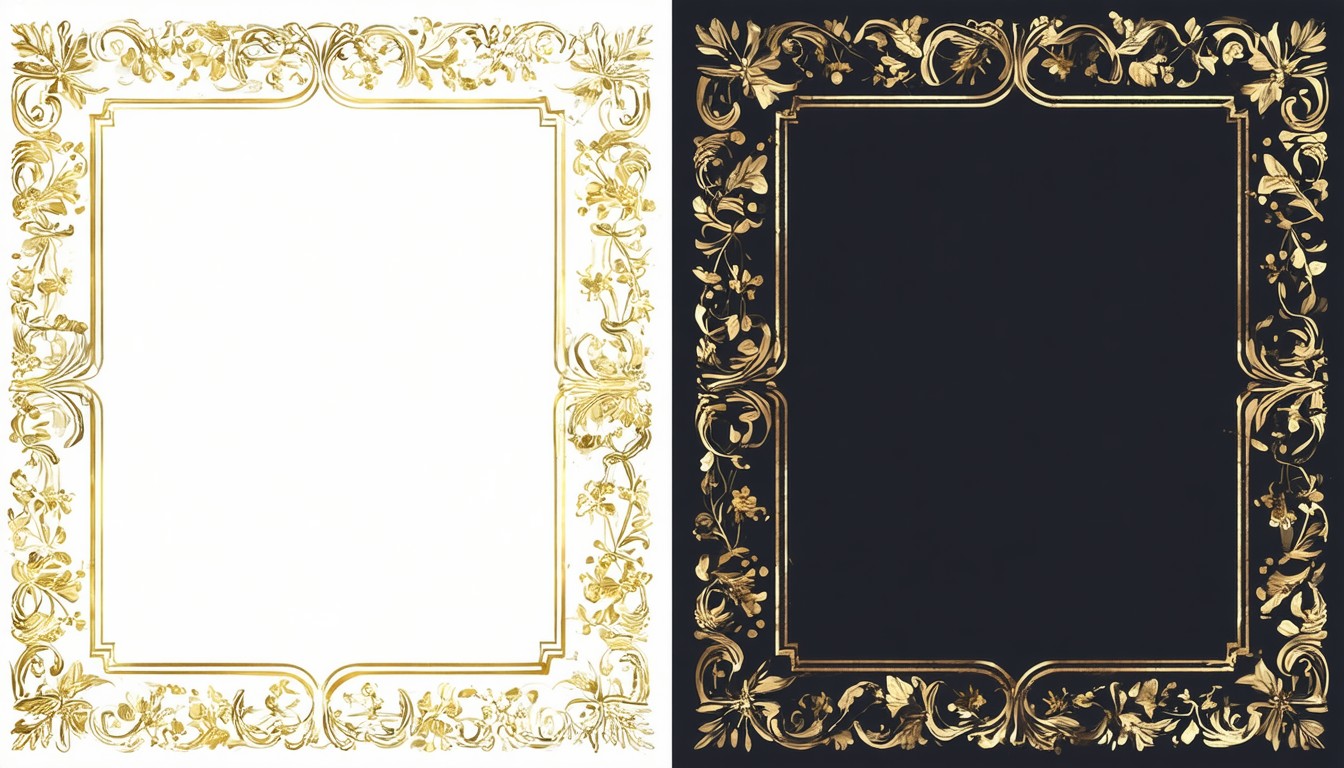
Discover elegant border design ideas for invitations, cards, and creative projects. Explore inspiring styles, expert tips, and trends for making every detail unforgettable.
The Art and Impact of Border Design
Borders have long acted as both frame and flourish, adding structure and intentionality to everything from wedding invitations to branding collateral. In today’s visually saturated world, thoughtfully designed borders can transform simple pieces into memorable, shareable works of art. Whether crafting a bespoke event invitation, a business thank-you card, or DIY stationery, a border’s subtle power lies in its ability to guide the viewer’s eye, enhance aesthetics, and evoke emotion.
Recent trends highlight a renewed appreciation for intricate details. From minimalist line accents to ornate motifs, designers are leveraging borders to create distinction in an increasingly digital landscape. According to top stationery brands, requests for custom border work have increased notably in recent years, signaling a resurgence of tactile, artisan-inspired design choices.
Classic Border Styles That Never Go Out of Fashion
Certain border designs have remained perennial favorites for good reason: their timeless elegance offers versatility across countless applications.
Flourishes, Filigree, and Ornamental Frames
Traditional filigree takes inspiration from antique manuscripts and vintage prints, infusing any invitation with a sense of heritage and romance. Ornate frames, often resembling carved wood or etched metal, signal formality and grandeur—popular choices for weddings, galas, and milestone events.
- Use Case: An anniversary invitation with gold foil filigree instantly conveys prestige.
- Pro Tip: Limit complex borders to simple layouts to avoid visual clutter.
Line and Geometric Accents
Clean, geometric borders—think double lines, art deco patterns, or subtle beveled edges—offer structure without overpowering the message. Designers favor these for modern minimalism, corporate communications, and everyday greetings.
“A crisp, well-placed border is like a tailored suit: it elevates the occasion without demanding attention,” notes typography expert Lena Williams. “Geometric precision can underscore professionalism or bring focus to a sentiment.”
Botanical and Natural Motifs
Botanical borders, featuring leaves, flowers, or vines, evoke freshness and approachability. Illustrated by hand or digitally, they provide a soft, organic touch—an ideal complement to seasonal events or rustic themes.
Application Example
A watercolor leaf motif frames graduation invitations, suggesting both growth and celebration. Subtle color palettes ensure harmony rather than distraction.
Contemporary Trends in Border Design
Modern border design is defined by both innovation and personalization, reflecting shifting tastes and evolving creative technologies.
Hand-Drawn and Watercolor Effects
The human touch is back in vogue. Watercolor brushstrokes, ink sketches, and hand-lettered lines add warmth and authenticity, responding to the desire for unique, customized correspondence. Digital tools now make it feasible to reproduce these nuances at scale, meeting commercial demands while retaining artisanal charm.
Mixed Media and Textural Illusions
Layered looks, such as borders simulating torn parchment, pressed florals, or textile weaves (like embroidery or lace), are trending in high-end invitations. This multi-sensory approach blurs the line between print and craft.
Digital Interactivity and Foil Accents
With advancements in printing, foil stamping and spot gloss finishes are more accessible than ever, providing a dynamic contrast that’s tactile and luminous. Meanwhile, interactive digital invitations feature animated borders—waves, sparkles, or shifting patterns—delighting recipients and setting brands apart online.
Practical Tips for Creating Elegant Borders
Designing the perfect border requires an understanding of balance, proportion, and context. Here are actionable tips for choosing or crafting the right border for your next project.
Match the Mood to the Occasion
- Use florals and pastels for baby showers, birthdays, or spring events.
- Geometric motifs match business, graduation, or corporate contexts.
- Ornate and metallic borders suit formal galas or milestone celebrations.
Choose Color and Contrast Thoughtfully
Borders should enhance, not compete with, central content. Monochrome or tone-on-tone designs project sophistication; contrasting colors add playful energy but need careful moderation.
Mind Scale and Margins
Overly thick or narrow borders can feel awkward or cramped. Standard guidance suggests that border width should be proportional to card size—typically 5–10% of the smallest dimension.
Consider Production Method
Some finishes, such as gold foiling or die-cut lace, require specialized printing and may impact cost and timeline. Early conversations with printers prevent surprises.
Real-World Examples: Standing Out with Borders
Luxury Wedding Invitations
Prestige paper companies like Crane & Co. often feature letterpress borders with subtle embossing. Couples opting for custom crests nested within ornate frames create heirloom pieces worthy of display.
Boutique Business Branding
Boutique bakeries and florists frequently use hand-drawn botanical borders in their business cards and menus. This conveys artisanal quality and local flair, helping differentiate in crowded markets.
DIY and Digital Projects
Online design platforms such as Canva and Adobe Express offer customizable border templates, empowering users of all skill levels to create professional, personalized looks. Teachers, for instance, use cheerful themed borders to make classroom certificates memorable.
The Role of Cultural and Seasonal Influence
Borders carry cultural meaning, too. Quinceañera invitations may feature traditional lace patterns, reflecting heritage and ceremony. Lunar New Year cards often incorporate motifs like red double lines or floral bursts, signifying luck and prosperity.
Seasonal borders—snowflakes in winter, blossoms in spring—anchor celebrations in time and tradition, deepening their emotional resonance.
Conclusion: Elevate Every Detail with Intentional Border Design
A border is more than decoration; it is a statement of care, style, and intention. The right design sets the tone for the message within, whether it’s a corporate announcement or the most personal of life’s milestones. Thoughtful choices in border design lead to invitations and cards that recipients want to display, share, and remember.
For every project, consider the story being told and the emotion intended. By blending classic principles with contemporary trends, designers and creators can craft borders that not only frame information but also elevate the entire experience.
FAQs
What are the most popular border designs for invitations?
Classic filigree, botanical motifs, and geometric line styles remain enduringly popular, balancing elegance and clarity. Modern trends also include hand-drawn and watercolor-inspired borders for a personalized touch.
How do I choose the right border color?
Choose border colors that complement your theme but don’t overpower the central message. Neutral tones suit formal occasions; pastels or metallics are great for celebrations. Always test for contrast to ensure legibility.
Can I create elegant borders without graphic design experience?
Absolutely. Many online platforms offer customizable border templates where users simply drag and drop elements. For a unique look, consider tweaking color or line weight within these frameworks.
Are special printing techniques worth the investment for border designs?
Foil, letterpress, and embossing can add tactile luxury, making invitations or cards stand out. While they involve higher production costs, many find the effect enhances perceived value, especially for significant events.
How can border design reflect cultural or seasonal themes?
Incorporate traditional patterns, symbols, and colors relevant to the event or recipient’s background. Seasonal borders, like holly for winter or cherry blossoms for spring, subtly anchor the invitation in time and place.













Leave a comment