

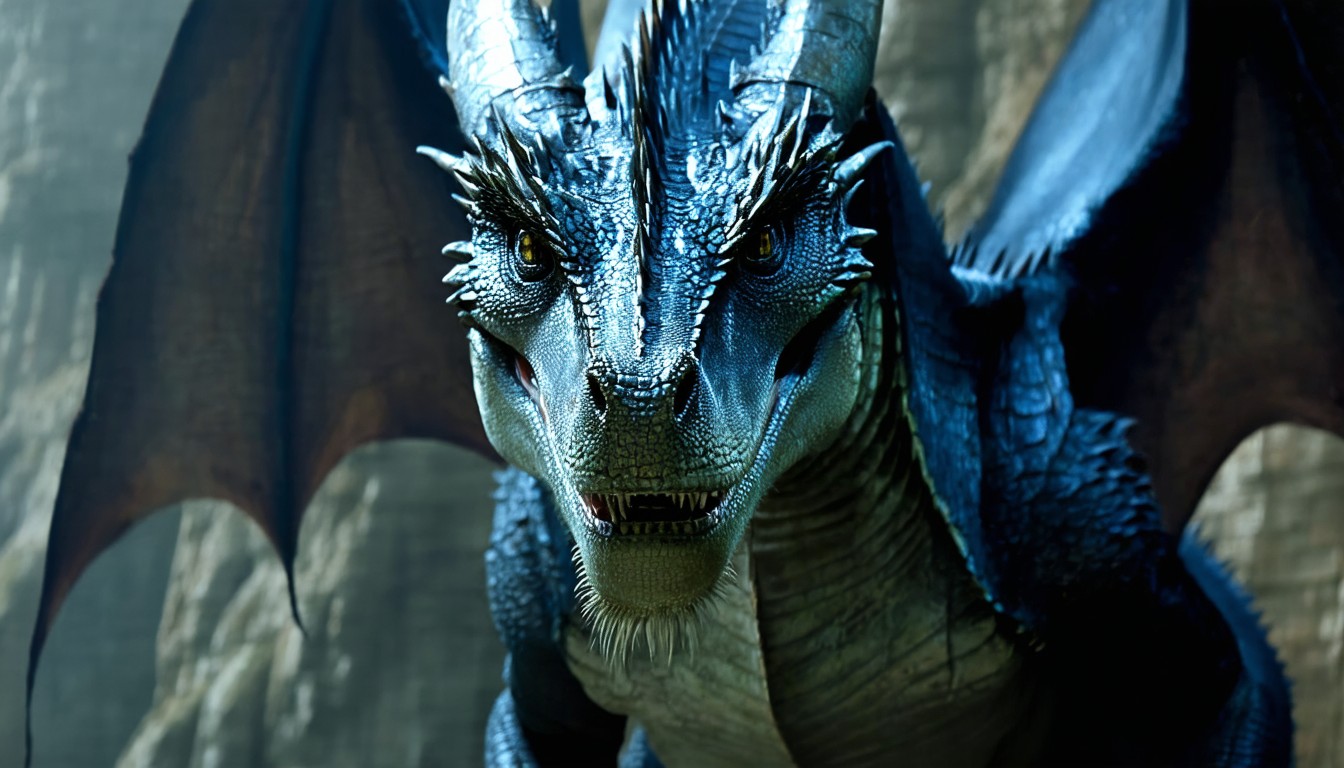
Dragons occupy a unique space in cinema’s pantheon of fantastic creatures. For decades, dragon movies have enthralled audiences, fusing ancient mythology with state-of-the-art effects to deliver spectacles of scale and emotion. The enduring appeal of dragons lies in their versatility—sometimes they serve as terrifying adversaries, other times as misunderstood companions. The best dragon movies ignite the imagination, weaving tales of adventure, courage, and moral ambiguity that resonate across generations.
Across global film markets, the appetite for dragon-themed entertainment continues to flourish. From sweeping high fantasy epics to animated family adventures, the world’s on-screen dragons inspire everything from Halloween costumes to pop culture memes—proving these mythical beasts have lost none of their cinematic fire.
Defining the Best Dragon Movies: What Makes a Film Stand Out?
To understand what makes a dragon movie successful, it’s essential to look beyond special effects and examine narrative context, character development, and the dragon’s symbolic role. Standout dragon films often share several hallmark qualities:
- Strong Worldbuilding: The setting immerses viewers in a fully realized fantasy realm.
- Complex Relationships: Dragons interact with humans in ways that reveal both power and vulnerability.
- Innovative Visuals: Memorable creature design and cutting-edge technology bring dragons convincingly to life.
“A truly great dragon film doesn’t just feature an impressive beast—it uses the dragon as a lens to explore human hopes, fears, and responsibilities,” notes Dr. Lilian Carter, a scholar of myth in modern cinema.
Moving from theory to examples, the following films exemplify the best in dragon storytelling, each navigating the balance between spectacle and substance.
Classic and Modern Dragon Movies Worth Watching
The Pioneering Fantasies
Early dragon films helped establish familiar tropes and expectations. Ray Harryhausen’s craftsmanship in “The 7th Voyage of Sinbad” (1958), for instance, introduced stop-motion dragons that thundered across the screen and inspired future filmmakers. Disney’s “Pete’s Dragon” (1977) blended live action and animation, offering a gentle, heartfelt take on dragon-human friendships.
Rise of the Digital Dragon: “Dragonheart” and Beyond
1996’s “Dragonheart” remains a landmark for its then-groundbreaking use of CGI. Voiced by Sean Connery, the dragon Draco set a new benchmark for digital creature performance and emotional resonance. “Dragonheart” distinguished itself with wit, camaraderie, and a story that made the dragon both a wise mentor and a tragic figure.
The Spectacle of High Fantasy: “The Lord of the Rings” and “The Hobbit”
Peter Jackson’s adaptations of Tolkien’s works brought cinematic dragons to their largest-ever scale. Smaug, voiced with silky menace by Benedict Cumberbatch in “The Hobbit” trilogy, is lauded for his intelligence and screen presence. These films showcase how a dragon’s motives and personality can elevate them from monster to character, deepening the story’s impact.
Animated Hits: “How to Train Your Dragon” Series
DreamWorks’ “How to Train Your Dragon” franchise (2010–2019) redefined dragon movies for a new generation. Instead of fearsome foes, dragons become friends and family, with Toothless emerging as one of animation’s most beloved creatures. The trilogy’s success is rooted in emotional storytelling, intricate flight sequences, and a nuanced protagonist-dragon bond. The series’ critical acclaim and international box office appeal highlight the commercial and artistic viability of dragon-centric stories.
Global Perspectives: Dragons in Eastern Cinema
While Western dragon movies often depict dragons as destructive, Eastern interpretations lean toward wisdom and guardianship. Notable examples include “Spirited Away” (2001), where Haku, a river spirit who can transform into a dragon, plays a pivotal role. Films like China’s “The Dragon Pearl” also showcase a gentler lens, blending folklore with family-friendly adventure.
Dragons as Symbolic Storytelling Devices
At their core, dragons reflect cultural anxieties, hopes, and ethics. In medieval tales, dragons frequently embodied greed and chaos; slaying the dragon was an act of societal purification. In contrast, contemporary dragon movies provide more nuanced roles:
- Protector: As in “Eragon” (2006) or “How to Train Your Dragon,” dragons symbolize loyalty and personal growth.
- Destroyer: Smaug or the dragons of “Game of Thrones” channel humanity’s destructive appetites and ambitions.
- Ally: In “Pete’s Dragon” and similar stories, dragons facilitate healing and understanding between otherwise divided groups.
Fantasy scholars argue that modern dragon movies often use these creatures to grapple with themes like environmental stewardship, otherness, and the dangers of unfettered power.
The Technology Behind Cinematic Dragons
Recent advances in technology have dramatically raised the bar for how dragons are depicted. Motion capture, photorealistic rendering, and artificial intelligence now allow filmmakers to create dragons that move, emote, and interact with environments in sophisticated ways.
For instance, the animators behind “The Hobbit” spent months perfecting Smaug’s subtle lip curls and eye flickers, ensuring he felt alive rather than mechanical. In “How to Train Your Dragon,” animators studied animal behavior to imbue Toothless with a blend of feline and dog-like traits, making him relatable to audiences.
The Enduring Popularity of Dragon Movies
Despite changing movie trends, dragon films maintain a strong foothold in global pop culture. Streaming platforms and international co-productions are further expanding access, with animated features and fantasy series reaching wider audiences than ever before. Merchandising, video games, and fan communities keep these stories relevant even between film releases.
The ongoing success of films like “Raya and the Last Dragon” (2021) illustrates how the dragon motif continues to evolve, offering new narratives and cultural interpretations. Whether as fiery adversaries or faithful friends, dragons remain giant symbols of the fantastic in storytelling.
Conclusion: Choosing the Best Dragon Movie
Selecting the best dragon movie ultimately depends on what viewers value most—spectacle, emotion, or innovation. Films like “How to Train Your Dragon,” “The Hobbit: The Desolation of Smaug,” and “Dragonheart” stand out for their memorable dragons and resonant stories. As cinematic technology advances and audiences crave fresh takes, the dragon movie genre will continue to inspire, challenge, and enchant.
FAQs
What is the most popular dragon movie of all time?
There’s no single definitive answer, but “How to Train Your Dragon” and “The Hobbit: The Desolation of Smaug” frequently top fan and critic polls, enjoyed for their memorable dragons and storytelling.
Are dragon movies mainly for kids or adults?
Dragon movies span all age groups. While some, like “How to Train Your Dragon,” are aimed at families, others such as “Reign of Fire” or the dragons in “Game of Thrones” target older audiences with darker themes.
Why do movies use dragons so often?
Dragons are versatile symbols—representing fear, wonder, and power. Their mythic roots make them ideal for fantasy narratives, and modern technology allows filmmakers to create ever more spectacular dragon characters.
Are dragon movies usually based on books or original stories?
Many dragon movies are adapted from novels or folklore, such as “Eragon” and “The Hobbit,” but others, like “Dragonheart,” originate as original screenplays.
Which movie dragon is considered the most realistic?
Technologically, Smaug from “The Hobbit” trilogy is often cited for his lifelike animation and nuanced characterization, thanks to advanced CGI and motion capture.
Are there any notable animated dragon movies outside the West?
Yes, films like Studio Ghibli’s “Spirited Away” feature dragons influenced by Eastern mythology, offering distinct designs and roles compared to their Western counterparts.















Leave a comment