

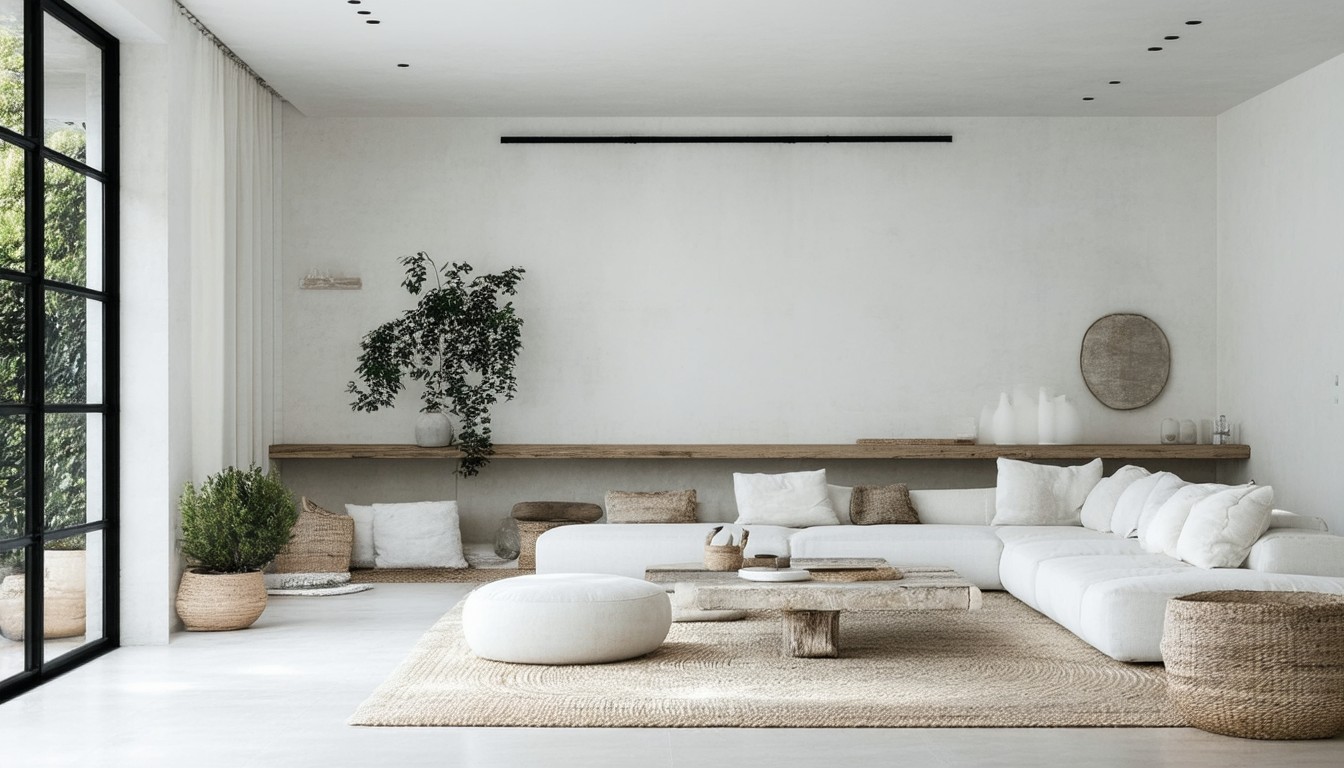
Minimalism continues to inspire homeowners and designers worldwide, captivating those seeking clarity and tranquility in increasingly busy lives. With a focus on purposeful design, minimalist decor balances form and function to create interiors that feel both sophisticated and welcoming. This approach prioritizes intentional living, encouraging individuals to be selective with their spaces and possessions without sacrificing comfort or style.
Beyond mere aesthetics, minimalist interiors offer proven benefits—from reducing visual stress to promoting greater organization. Studies in environmental psychology suggest that clutter-free environments may help lower anxiety and foster a sense of calm, reinforcing why this trend is both timeless and timely.
Principles of Minimalist Interior Design
At its heart, minimalist decor is not about stark emptiness, but rather about curating what truly matters. Three guiding principles help define this philosophy:
- Functionality Above All: Every element should serve a clear, practical purpose.
- Simplicity in Lines and Forms: Furniture and architectural details emphasize clean, uncomplicated shapes.
- Intentional Use of Space: Areas are left uncluttered, with negative space considered as vital as filled space.
“Well-chosen minimalism isn’t about deprivation,” explains London-based designer Maya Rahm.
“It’s about highlighting what’s meaningful and letting quality—the interplay of light, texture, and proportion—shine through.”
Color Palettes: A Foundation of Minimalist Decor
Muted and neutral hues form the backbone of most minimalist spaces. Whites, greys, beiges, and soft earth tones are popular choices, reflecting natural light and creating a soothing backdrop. Subtle contrast can be introduced with charcoal accents, muted pastels, or natural wood finishes.
For instance, Scandinavian minimalist homes often employ a monochromatic palette punctuated by warm oak or ash woods. This layering of texture over color maintains visual interest while preserving cohesion.
Pops of Color: When and How to Use Them
Minimalism doesn’t mean colorlessness. A single feature wall, a vibrant artwork, or a strategically placed plant can add just enough visual energy—without disrupting the serenity.
- Use one standout accent per room (e.g., a cobalt blue vase or an emerald throw)
- Keep surrounding elements subdued to let the accent truly shine
Furniture Choices: Less but Better
Selecting minimalist furniture means seeking out well-made, multipurpose pieces with streamlined profiles. Look for furnishings that support relaxed living without bulk—think low-profile sofas, floating shelves, and sleek dining tables.
Many urban apartments embody “micro-minimalism,” leveraging convertible or modular designs (like sofa beds or extendable tables) to maximize efficiency. Notably, Japanese and Nordic designers have influenced this trend, blending craftsmanship with practicality.
Decluttering and Storage Solutions
To maintain visual clarity, hidden storage is essential. Utilize:
- Under-bed drawers or boxes
- Tall cabinets that draw the eye upward
- Baskets and built-ins for entryways
An open-shelving strategy can work, provided each visible item is considered and beautiful in its own right. Limit displays to a handful of objects—such as ceramics, books with neutral spines, or framed black-and-white prints.
Natural Materials and Textures
Minimalist interiors come alive through thoughtful use of materials. Incorporating wood, stone, linen, or wool elevates warmth while adhering to visual simplicity. The interplay of matte and smooth finishes (think honed marble, washed oak, or woven jute) creates subtle texture without overwhelming the senses.
Sustainable, high-quality materials have emerged as hallmarks of the minimalist movement, aligning with broader trends in conscious consumption. Many eco-aware homeowners favor furniture made from FSC-certified wood or recycled metals, bridging environmentalism with enduring style.
Art and Decorative Accents: Curating with Purpose
Artwork and accessories in minimalist spaces are chosen for significance, not abundance. A large canvas or a sculptural lamp becomes a focal point, encouraging viewers to pause and appreciate. Mirrors, often used to amplify light and space, are typically frameless or minimally framed to blend seamlessly with the surroundings.
When selecting decor, opt for:
- Fewer, high-impact pieces
- A harmonious blend of shapes—curves can soften angular layouts
- Functional art, such as designer lighting or artisan ceramics
Minimalist philosophy invites households to be intentional with memories, displaying personal mementos in uncluttered collections. Even everyday objects—well-crafted kitchenware, handwoven rugs—can double as decor when presented with care.
Creating a Sense of Calm and Space
While aesthetic choices lay the groundwork, the real magic of minimalism lies in its impact on well-being. Research from the Princeton University Neuroscience Institute suggests that multiple visual stimuli can hinder information processing, reinforcing the value of pared-back spaces for concentration and relaxation.
This translates practically into routines: regular editing of possessions, investing in versatile goods, and allowing for “breathing room” in every room. Open walkways, sparsely filled shelves, and unobstructed windows are all visual cues that promote calm.
“Minimalist interiors are about more than just appearance; they nurture the mind by reducing distractions, helping people feel more centered and at ease,” says Rahm.
Making Minimalism Your Own
Adopting minimalist decor doesn’t mean abandoning personality or warmth. The most successful minimalist homes balance restraint and self-expression. Layering personal details—like a favorite olive tree in the corner or an heirloom textile draped over the bed—adds depth and authenticity.
Visitors to minimalist homes often remark on the “luxury of space.” This sensation is achieved not by filling a room, but by editing it mindfully. Start small: clear one counter, pare down a wall of photos, or swap out mismatched accessories for a unified set.
Real-World Examples
- Australian coastal homes often embrace laid-back minimalism, using pale wood floors and vast windows to blend indoors and outdoors.
- Urban dwellers, pressed for space, employ fold-away desks and wall-mounted storage to maintain order.
- Luxury hotels—such as those by design leader John Pawson—have set the standard for minimalist elegance, inspiring private residences to follow suit.
Conclusion: Living with Less, Enjoying More
Minimalist decor remains a powerful strategy for shaping homes that are at once beautiful, functional, and deeply calming. By focusing on quality over quantity, embracing negative space, and curating with care, anyone can foster an environment that nurtures well-being and showcases individual style. The journey toward minimalism is ongoing, inviting small, continuous adjustments that reflect evolving priorities and tastes.
FAQs
What is the main goal of minimalist decor?
The primary aim is to create uncluttered, calming environments where each object serves a purpose. Minimalist interiors emphasize simplicity while allowing room for personal expression.
How can I make a small home feel more minimalist?
Choose multi-functional furniture, keep color palettes neutral, and maximize storage to maintain clear surfaces. Editing possessions regularly and using mirrors to reflect light can also help spaces appear larger and more open.
Does minimalist decor have to be expensive?
Minimalism values quality over quantity, but it doesn’t require high spending. Thrifted, vintage, or DIY pieces can work beautifully as long as they fit the space and maintain a simple aesthetic.
Are plants allowed in minimalist decor?
Yes, greenery adds life and texture to minimalist spaces without creating clutter. Limit the number of plants, opting for a few statement specimens instead of many small ones.
How do I start transitioning to minimalist decor?
Start by decluttering one area at a time and gradually replace or eliminate excess furniture and décor. Focus on keeping only what is functional, meaningful, or genuinely beautiful.















Leave a comment