

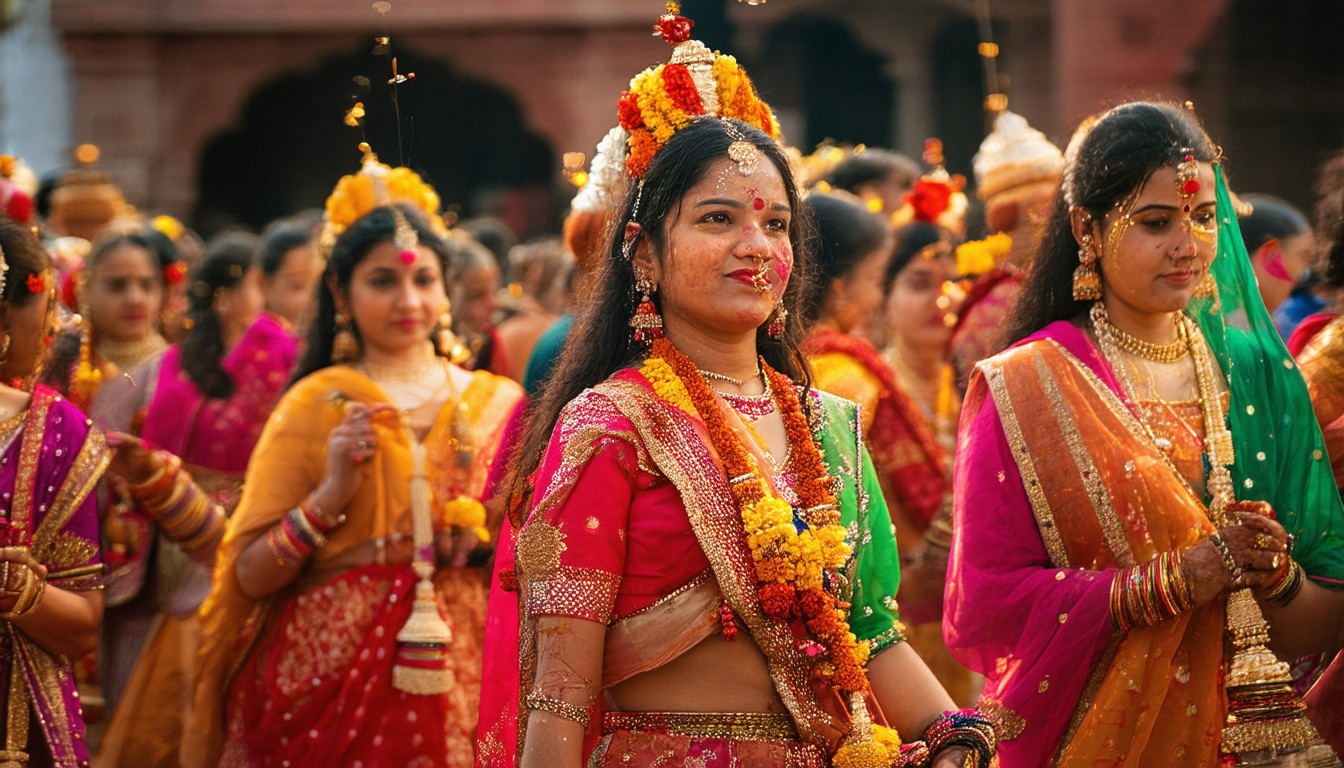
The festival of Teej, one of the most significant Hindu festivals for women in Nepal and northern India, returns with renewed anticipation in 2025. Observed with deep devotion and dramatic flair, Teej’s origins are rooted in ancient mythology and cultural storytelling. Each year, the festival paints cities and villages crimson with women clad in red saris, their songs and dances a living testimony to enduring religious traditions, the channeling of hope, and the binding power of community.
As Teej approaches in 2025, its social and cultural resonance remains as strong as ever. From fasting and rituals to joyous gatherings and evolving urban celebrations, Teej offers a remarkable window into the intersection of faith, gender, and communal identity.
The Significance of Teej: Mythology and Modern Relevance
Teej’s foundation lies in the veneration of goddess Parvati and the story of her marital devotion to Lord Shiva. Across generations, this narrative has inspired women to observe the festival, seeking blessings for matrimonial harmony, the well-being of their spouses, and personal prosperity. Especially for newlyweds and young women, Teej is viewed as both a rite of passage and a spiritual quest.
The festival commonly falls in the lunar month of Shravana or Bhadrapada, typically between August and September. In 2025, Teej will be observed in early September, though exact dates may vary slightly with local calendars.
Teej has traditionally provided women with a rare platform for self-expression within the bounds of ritual. The act of gathering, singing folk songs, and enacting dances within temple courtyards transforms spaces into sanctuaries of shared stories and aspirations.
“Teej is not merely a festival—it’s an annual reaffirmation of solidarity, faith, and womanhood. Across Nepal and parts of India, it transcends generations, serving as both a spiritual anchor and a celebration of collective resilience,” notes Dr. Mukta Joshi, a cultural anthropologist specializing in South Asian traditions.
Social Dynamics and Shifting Narratives
Over time, Teej has also emerged as a forum for women’s voices, where folk ballads sometimes echo themes of social justice, migration, or domestic hardship. In modern urban centers, this transformative aspect is amplified, with advocacy for women’s rights finding subtle expression during the festivities. Campaigns against domestic violence and child marriage often leverage Teej’s gatherings, blending cultural pride with a progressive undertone.
Rituals and Fasting: The Spiritual Heart of Teej
At the center of Teej lies the practice of fasting, a rigorous undertaking observed primarily by married and young unmarried women. The fast, which often lasts 24 hours without water or food (known as nirjala vrat), is believed to appease Lord Shiva and secure marital bliss and health for husbands or future spouses.
Steps and Symbolism of Ritual Observance
Teej is usually celebrated over three main days:
- Dar Khane Din: The first day features communal feasting, where women enjoy a variety of delicacies, building strength for the upcoming fast and indulging in festive spirit. Traditional sweets and rich foods are shared among friends and relatives.
- Fasting Day: The core of the festival, when devotees refrain from eating or drinking. Many spend long hours singing, dancing, and participating in prayers at temples, particularly those dedicated to Lord Shiva, such as Nepal’s Pashupatinath Temple, which attracts tens of thousands each year.
- Rishi Panchami: The final day involves cleansing rituals, seen as an act of purification and homage to ancient sages. Women bathe with sacred herbs and observe special pujas to atone for any mistakes committed during the year.
Ritual Objects and Attire
Bright red saris, green glass bangles, and traditional henna adornments are emblematic of Teej. These colors symbolize fertility, prosperity, and marital happiness. The sight of women, dressed in these vibrant hues, gathering at temples or parks, is one of the most recognizable images of the festival.
Regional Traditions: Diversity Across South Asia
While the essence of Teej remains uniform, the festival manifests with distinct local flavors across different regions.
Teej in Nepal
In Nepal, Teej is among the most important women’s festivals, especially celebrated in Kathmandu, Pokhara, and the Terai. Major processions, mass singing events, and temple rituals create an electrifying atmosphere. In 2019 and 2023, crowds often spilled onto the streets around the famed Pashupatinath temple, underscoring the enduring devotion.
Teej in Northern India
In states like Rajasthan, Haryana, Uttar Pradesh, and Bihar, Teej brings ornate swings, folk music, and colorful processions. The sight of women swaying on swings hung from banyan trees has become symbolic of monsoon celebration—a key seasonal marker in the agrarian calendar. In Jaipur, elaborate fairs known as Teej Melas draw significant crowds and boost local tourism.
Evolving Practices and Urban Adaptations
Today, the diaspora—particularly in cities like Delhi, Mumbai, and abroad—adapts Teej rituals to modern lifestyles. Festivities in community halls, virtual celebrations, and inclusive events welcome women from all backgrounds. In some urban centers, men actively participate, reflecting changing social dynamics.
The Role of Food and Music: Joyful Traditions and Shared Heritage
Feasting, particularly on the first day, is a crucial aspect, with dishes like sel roti, puris, and laddus tantalizing festival-goers. Every home imbibes its own flavor, with family recipes and local specialties handed down through generations.
Music plays an inseparable role—from ancient devotional hymns to contemporary folk ballads. Teej’s signature songs, or “Teej geet,” often reflect both mythological stories and personal experiences. Public dance competitions and performances are now a staple in many cities, engaging younger generations and connecting diaspora communities.
Case Study: Kathmandu’s Community Initiatives
In Kathmandu, recent years have seen local NGOs leverage Teej’s popularity to raise awareness for women’s health and education. Organizers blend traditional programs with health camps and legal workshops, showing how ancient festivals continue to serve contemporary needs.
“Teej’s timeless traditions make it a perfect conduit for community development initiatives, as its rituals are already built on empathy and collective participation,” says Pushpa Rijal, a facilitator with a Kathmandu-based women’s advocacy group.
Teej 2025: Continuing the Legacy Amid Modern Change
Looking ahead to 2025, Teej remains both a sacred observance and a dynamic, evolving festival. The contrast between rural adherence to ancestral customs and urban innovation testifies to Teej’s adaptability. Mobile technology has amplified Teej’s reach, with digital greetings, online singing competitions, and live-streamed temple events connecting participants worldwide. Commercialization, too, is visible, with brands offering Teej-themed events, apparel, and jewelry lines, especially in urban markets.
Nonetheless, at its heart, Teej in 2025 will continue to embody devotion, resilience, and cultural continuity, affirming its role as a linchpin of identity for millions of women and their families.
Conclusion
Teej 2025 is poised to be a vibrant celebration that bridges tradition and modernity. Whether observed in the temple courtyards of Kathmandu or amidst urban bustle in Indian cities, the festival embodies spiritual devotion, solidarity, and the enduring strength of women’s collective voices. As new generations bring fresh perspectives and digital innovation, Teej’s core significance—prayer, hope, and joy—endures, promising another year of vibrant unity and cultural pride.
FAQs
When is Teej 2025 celebrated?
Teej 2025 will be observed in early September, typically following the lunar Hindu calendar. Specific dates may vary by region and local customs.
Why do women fast during Teej?
Fasting during Teej symbolizes devotion and is believed to promote the well-being of husbands or to seek an ideal spouse. It is considered an act of spiritual discipline and prayer.
Are there different types of Teej festivals?
Yes, Teej takes various forms across regions. In Nepal and northern India, festivals like Hartalika Teej, Hariyali Teej, and Kajari Teej each have unique customs and associated legends.
How has Teej adapted to modern times?
Urban communities often blend tradition with modern practices, such as virtual gatherings or inclusive public events. NGOs and social advocates also use Teej to address women’s health and social issues.
Who participates in Teej celebrations?
While traditionally observed by Hindu women, many festivals have become community events that welcome women from all backgrounds—and, increasingly, men as well.
What foods are commonly prepared for Teej?
Favorites include sweets like laddus, puris, and traditional breads such as sel roti. Each family or region may offer its own unique delicacies, especially during the feasting day.













Leave a comment