

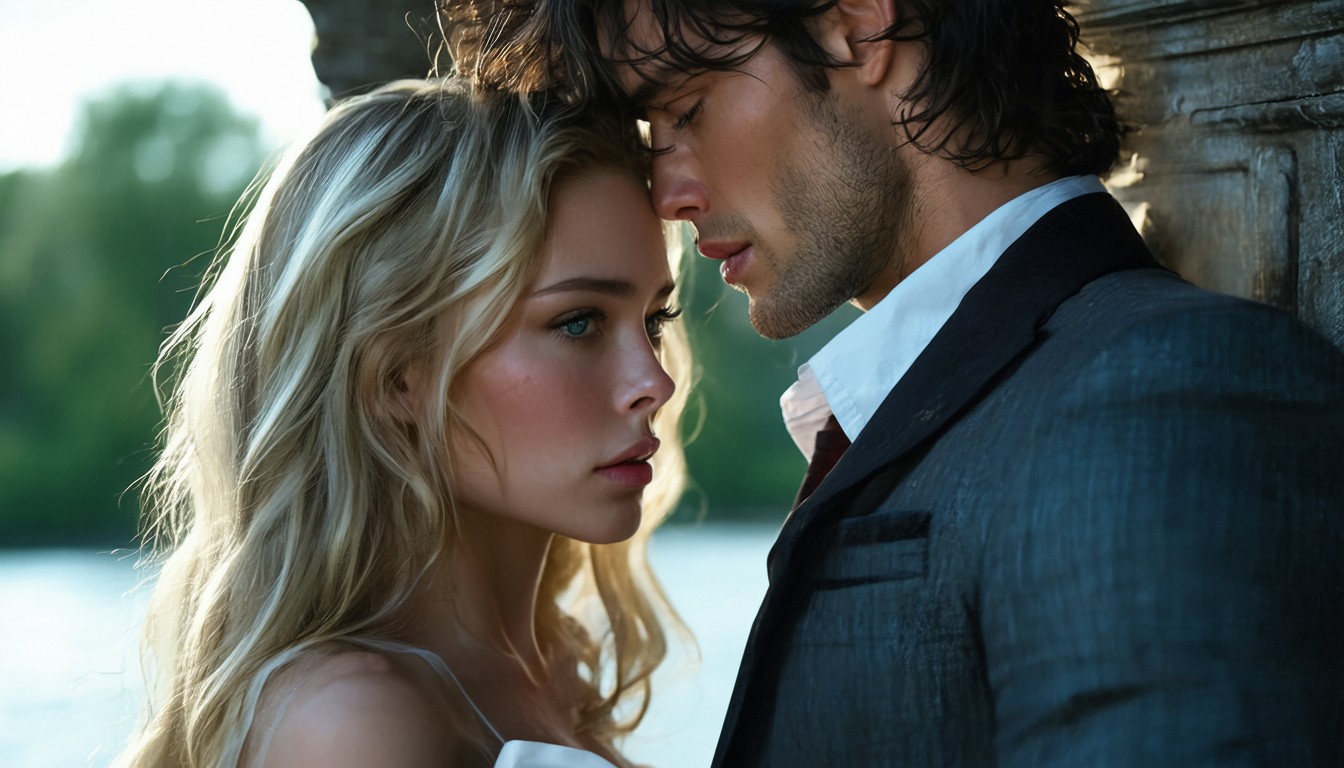
Cinema has long embraced stories of desire, heartbreak, and intimacy, but the erotic movie occupies a unique place in global film culture. Far from merely titillating, the best erotic films venture beyond surface seduction to explore the psychology, vulnerability, and consequences of human passion. In an era where sexuality is increasingly de-stigmatized and openly discussed, understanding the role of these films in art and society has never been more relevant.
Defining the Erotic Movie: Artistry, Boundaries, and Impact
Er*tic movies are distinguished not just by explicitness, but by the emotional weight they lend to sensuality. Unlike mainstream romance or pure adult fare, these films often intertwine sexual tension with narrative complexity, posing questions about love, longing, and power.
A Spectrum of Sensual Storytelling
Erotic cinema spans many genres—from slow-burning European dramas to glossy American thrillers and avant-garde experiments. What unites them is their willingness to confront taboo topics, blur boundaries between pleasure and pain, and use sexuality as a lens for deeper themes.
Key traits of top erotic movies include:
- Emotional Authenticity: Genuine, multifaceted relationships and characters.
- Aesthetic Intensity: Cinematic beauty, from lush cinematography to evocative soundtracks.
- Narrative Function: Sexual content serves character arcs and plot progression, not just shock value.
European filmmakers like Bernardo Bertolucci (“Last Tango in Paris”) and Catherine Breillat (“Romance”) have shaped this tradition, while East Asian cinema—think “In the Mood for Love” by Wong Kar-wai or “The Handmaiden” by Park Chan-wook—offers nuanced, culturally specific depictions of desire.
The Cultural and Social Impact of Erotic Cinema
Beyond entertainment, erotic movies have fueled debates about censorship, consent, and the public imagination of intimacy. The arrival of the Internet and streaming platforms has brought these films to wider, more diverse audiences, driving both controversy and critical acclaim.
Erotic Movies as Agents of Change
Erotic films have often tested social norms, pushing for broader acceptance of sexual expression and LGBTQ+ representation. In the 2010s, films like “Blue Is the Warmest Color” and “Call Me by Your Name” blurred the lines between erotic and romantic cinema, garnering accolades at major festivals and spotlighting underrepresented stories.
“Erotic movies, at their best, serve as powerful mirrors—reflecting our collective anxieties, aspirations, and contradictions around love and sexuality,” observes film scholar Dr. Julia Cheng. “They challenge audiences to reckon with both fantasy and reality.”
Controversies and Conversations
However, the line between art and exploitation remains hotly debated. Films such as “Eyes Wide Shut” and “Nymphomaniac” sparked dialogue about the responsibility of filmmakers to portray sexuality with nuance and ethical sensitivity. Issues of actor consent, gender politics, and audience vulnerability become central as society’s standards shift.
Hallmarks of a Top Erotic Movie: What Sets Certain Films Apart
Not every film that features explicit material qualifies as great erotic cinema. The best stand apart by weaving sensuality seamlessly into story, character, and visual style.
Essential Elements of Success
- Deep Characterization: Top erotic movies develop protagonists whose desires drive their actions, flaws, and transformation.
- Visual and Emotional Subtlety: True eroticism often lies in restraint—lingering glances, slow embraces, and evocative symbolism.
- Cohesive Storytelling: The erotic elements serve to advance the narrative, not just provide spectacle.
- Ethical Storytelling: Modern audiences increasingly value films that treat intimacy with respect, agency, and clarity around consent.
For example, Luca Guadagnino’s “Call Me by Your Name” uses lush Italian landscapes and understated eroticism to capture first love’s intensity. Meanwhile, “Secretary,” starring Maggie Gyllenhaal and James Spader, dissects complex power dynamics with dark humor and sincerity.
Influence on Mainstream and Independent Film
The influence of erotic movies pervades both art-house and commercial cinema. Directors like Pedro Almodóvar and Gaspar Noé have repeatedly incorporated erotic tension into their works, shaping audience expectations and critical standards alike. In recent years, streaming giants such as Netflix and MUBI have broadened the reach of international erotic drama, revealing global tastes for diverse stories that tackle desire head-on.
Erotic Movies in the Digital Age: Shifting Audiences and Evolving Standards
The rise of on-demand streaming has dramatically altered the availability and perception of erotic movies. Previously, these films were relegated to arthouse theaters or late-night cable. Now, they are a click away, often found among acclaimed dramas and festival darlings.
Demographics and Trends
Recent studies suggest that viewers in their 20s and 30s seek out erotic dramas not just for titillation, but for nuanced explorations of intimacy, identity, and trauma. Social media platforms have fostered new conversations on boundaries, fantasy, and representation—pressuring filmmakers to scrutinize choices around casting, narrative, and consent.
Moreover, audiences increasingly demand authentic and inclusive storytelling. There is growing criticism of films that sensationalize sexuality without substance, and greater praise for those featuring LGBTQ+ perspectives, feminist viewpoints, or diverse bodies and relationships.
The Festival Circuit and Critical Acclaim
Film festivals like Cannes, Sundance, and Venice have championed bold erotically charged films, sparking global debate and occasionally controversy. Many top erotic movies walk the fine line between challenging and alienating viewers, but the reward is often a lasting cultural resonance.
Summary: The Powerful Legacy of Erotic Movies
Erotic movies have evolved far beyond their provocative roots, earning a place in the pantheon of cinema that is as rich in substance as it is in style. The best examples do not merely provoke or seduce—they illuminate the emotional and psychological terrain of intimacy. As society’s standards shift and audiences diversify, erotic films will continue to serve as both mirrors and provocateurs, reflecting and shaping our ever-changing understanding of love, power, and desire.
FAQs
What qualifies a film as an erotic movie?
A true erotic movie uses sexuality as a central narrative device, exploring characters’ desires and relationships with depth and artistry rather than relying on explicit content alone.
Are erotic movies the same as adult films?
No. While both may contain explicit scenes, erotic movies prioritize storytelling, character development, and artistic expression, whereas adult films focus primarily on sexual acts.
Are mainstream films often erotic?
Some mainstream films incorporate erotic elements, but most top erotic movies are found in independent or international cinema where directors have greater creative freedom.
What are well-known examples of erotic movies?
Notable examples include “Eyes Wide Shut,” “Blue Is the Warmest Color,” “In the Mood for Love,” and “Call Me by Your Name,” each recognized for merging sensuality with emotional storytelling.
Are erotic movies appropriate for all audiences?
Generally, no—these films often explore mature themes and contain explicit content, making them suitable for adult audiences.















Leave a comment