

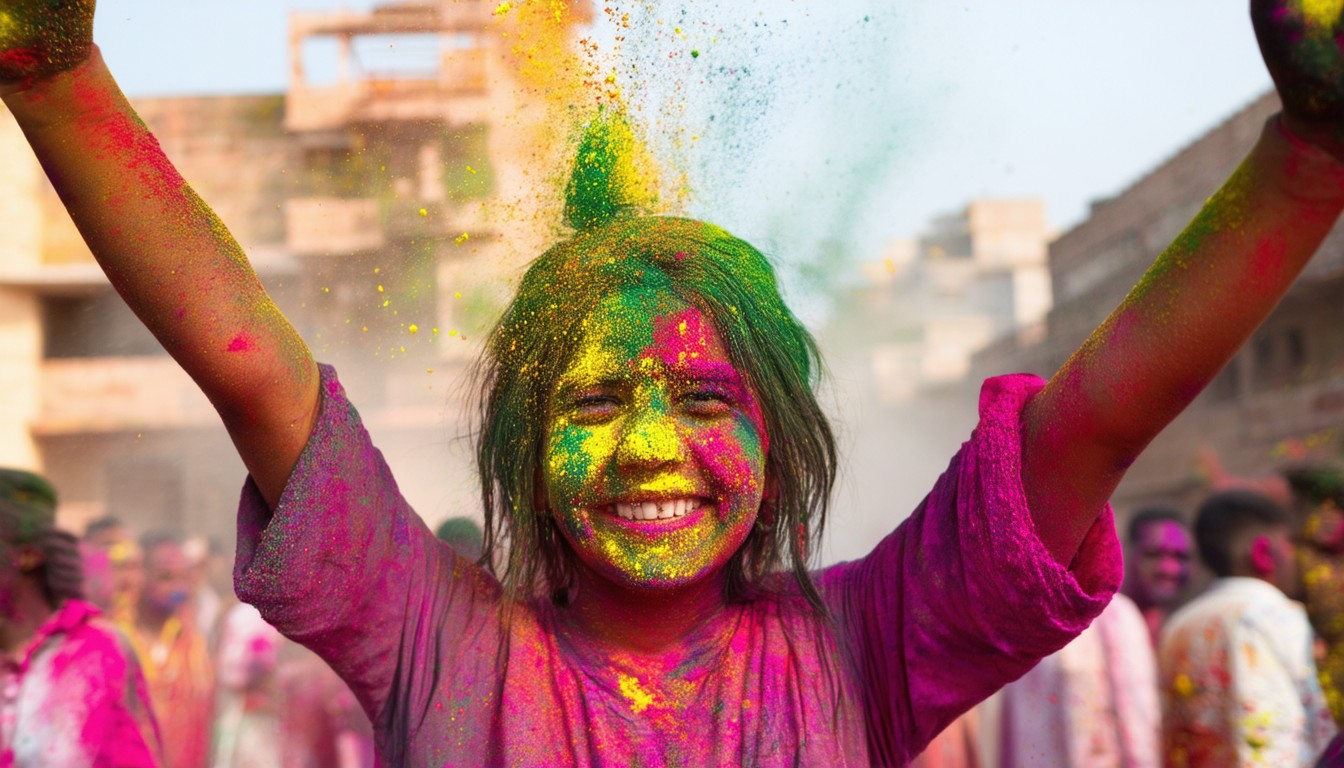
Every spring, Holi bursts onto the calendar as India’s most vibrant, anticipated festival—an event celebrated not only for its wild flurry of colors but also for its deep mythological and cultural roots. More than just an occasion to toss colored powders (gulal) and dance to the beat of drums, Holi marks the end of winter and celebrates the blossoming of hope, love, and reconciliation. As global communities embrace this beloved tradition, one question emerges every year: When exactly is Holi celebrated? For 2025, this question holds particular interest as families, businesses, and travelers begin to plan around the festival’s shifting lunar date.
How Holi’s Date is Determined
Unlike Western holidays fixed to the Gregorian calendar, Holi’s timing is anchored in the cycles of the Hindu lunar calendar. The core celebration occurs on the full moon day (Purnima) of the Hindu month of Phalguna, typically falling in February or March.
Calculating Holi 2025 Date
For 2025, the full moon of Phalguna is expected on March 14. The festivities are typically spread across two days:
- Holika Dahan (Chhoti Holi): Celebrated on the night preceding Holi, this ritual bonfire symbolizes the triumph of good over evil.
- Rangwali Holi (Dhuleti): The main day of color play, when streets, parks, and public spaces transform into a riot of hues and laughter.
In 2025:
– Holika Dahan falls on the evening of March 13, 2025.
– Rangwali Holi (the main festival) takes place on March 14, 2025.
“The lunar-based calculation ensures that Holi continues to mark the seasonal transformation as well as the mythic stories it encapsulates—connecting the contemporary festival to centuries-old tradition,” notes Dr. Meera Tiwari, scholar of South Asian religions.
Holi Traditions and Modern Practices
Holi’s iconic rituals stretch far beyond tossing colors, offering space for solemn religious observances and jubilant revelry alike.
Rituals and Mythological Origins
- Holika Dahan: Bonfires are lit to recall the legend of Prahlad’s faith and the burning of Holika, signifying the victory of devotion and righteousness.
- Puja and Prayers: Families gather for prayers, seeking the divine’s blessings for prosperity and happiness.
- Rangwali Holi: The next day, communities unite, setting aside social distinctions and playfully drenching each other in color and water.
Contemporary Celebrations
In recent decades, Holi has also become a symbol of unity in diversity, reaching far beyond Indian borders:
- Urban India: Holi parties in gated communities, educational institutions, and corporate campuses often blend DJ music, eco-friendly powders, and snacks like gujiya and thandai.
- Diaspora Festivals: Cities worldwide, from London to New York, host massive public Holi events to foster cross-cultural enthusiasm.
- Tourism and Commerce: States like Uttar Pradesh, Rajasthan, and Goa report robust economic activity during Holi, as both domestic and international tourists flock to witness its legendary exuberance.
Planning and Observing Holi in 2025
With growing global interest, Holi’s date has become pivotal for logistical planning. Schools, offices, cultural organizations, and tourism boards adjust operations and launch themed programs. In 2025, the mid-March timing means the festival aligns with moderate weather across most regions, likely enhancing participation.
Safety, Sustainability, and Public Health
As Holi draws crowds into public spaces, safety and sustainability concerns have taken center stage:
- Eco-Friendly Colors: Due to earlier cases of skin allergies and water pollution from synthetic paints, many now advocate for natural, plant-based powders.
- Water Conservation: Awareness campaigns urge celebrants to minimize water wastage—especially crucial in drought-prone areas.
- Post-Pandemic Caution: In a world still mindful of health risks, communities may encourage mask-wearing or limit crowded gatherings.
Regional Variations
While the date is uniform, customs vary dramatically:
– Mathura-Vrindavan: Celebrations can last more than a week, incorporating devotional music, processions, and temple rituals.
– Punjab: Hola Mohalla, coinciding with Holi, showcases martial arts displays and Sikh traditions.
– West Bengal: Known as “Dol Jatra” or “Basanta Utsav,” the festival emphasizes music, poetry, and processions.
These nuances underscore Holi’s adaptability, ensuring its spirit endures across generations and geographies.
The Growing Global Appeal of Holi
Across continents, Holi’s inclusive, playful character continues to inspire cultural exchange and innovation. International festivals—often staged in parks or university campuses—draw thousands, with diverse attendees seeking the joy and togetherness symbolized by the holiday.
Many brands use themed campaigns to capture the festival’s energy, releasing limited-edition products or organizing community events. According to travel industry reports, the period surrounding Holi sees a marked uptick in bookings to Indian destinations renowned for their traditional festivities, such as Jaipur and Varanasi.
“Holi embodies the universal impulse to celebrate life and light, making it one of the few festivals to transcend linguistic and geographical boundaries,” observes sociologist Rajesh Kothari.
Conclusion
Holi 2025 will be celebrated on March 14, inviting millions to participate in a cultural tapestry woven together with color, music, myth, and modern meaning. Its shifting lunar date underscores a vibrant legacy that adapts yet endures through time. As preparations begin, communities worldwide look forward to a festival that kindles hope, unity, and exuberant joy. Careful planning, cultural mindfulness, and a commitment to inclusive celebrations will ensure Holi’s traditions remain as resilient as its colors—spreading cheer far beyond the festival’s origins.
FAQs
When is Holi in 2025?
Holi falls on March 14, 2025. The night before (March 13) is Holika Dahan, when bonfires are lit in many communities.
Why does Holi’s date change every year?
Holi is based on the Hindu lunar calendar, aligning with the full moon of Phalguna. Because the lunar calendar differs from the Gregorian, the exact date shifts each year, typically falling in February or March.
What are the main traditions of Holi?
Key rituals include Holika Dahan (bonfire), prayers, and the exuberant playing with colored powders and water, alongside gatherings, music, and festive treats.
How is Holi 2025 expected to be celebrated globally?
Many cities abroad will host public Holi festivals, featuring music, color throws, and Indian cuisine. Both local Indian communities and diverse participants take part in these vibrant events.
Are there any safety or environmental concerns with Holi?
Yes, concerns include the use of synthetic colors that may cause skin reactions or pollution and water wastage. Many now encourage eco-friendly powders and water conservation for safer festivities.
What regions have unique Holi traditions?
Places like Mathura-Vrindavan (Uttar Pradesh), Punjab (Hola Mohalla), and West Bengal (Dol Jatra) each offer distinct regional celebrations, blending religious ceremonies, music, and community displays.













Leave a comment