

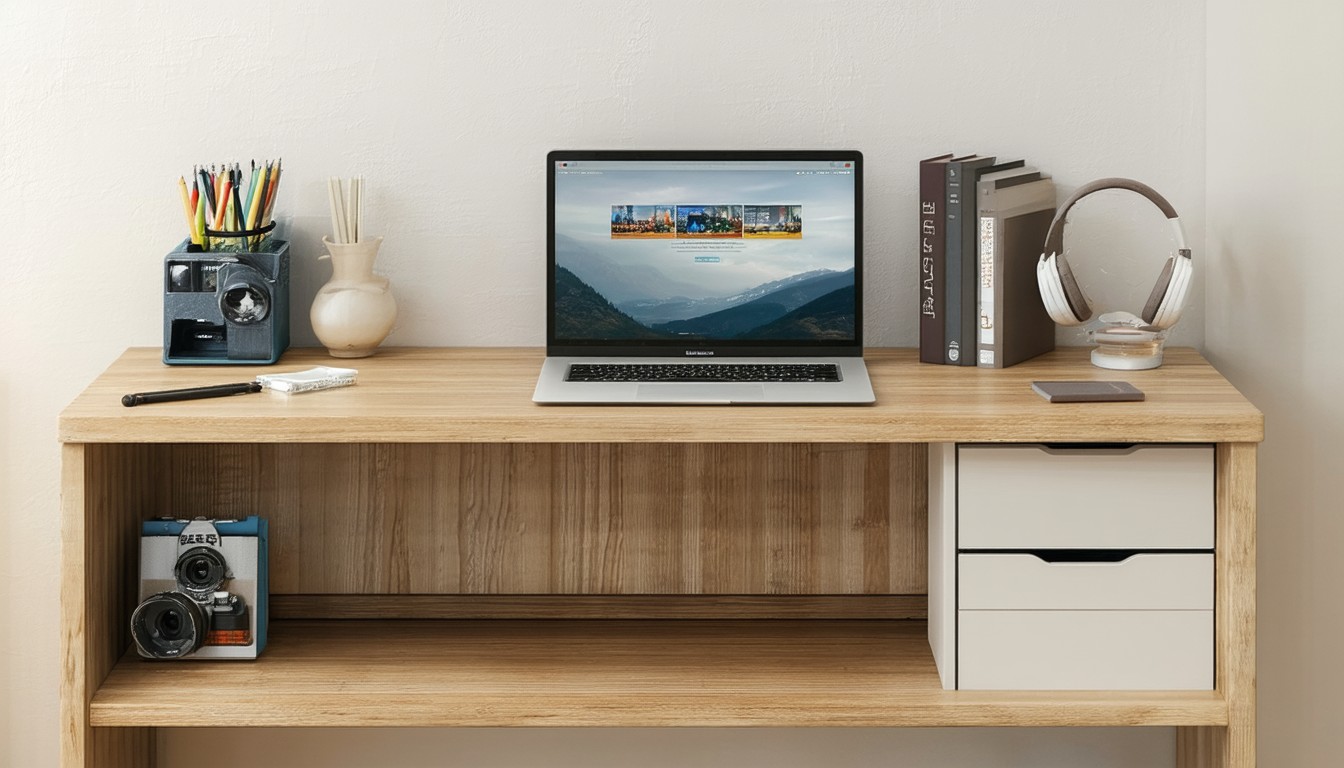
With hybrid work, remote learning, and home offices becoming permanent fixtures in modern life, the humble study table has transformed from simple furniture into an essential productivity tool. Homeowners, professionals, and students alike value study tables for their ability to foster focus, provide ergonomic comfort, and even lift interior aesthetics. The latest designs blend style and utility, offering more than just a surface for laptops and textbooks. As preferences shift towards wellness, adaptability, and space optimization, selecting the right study table can make a definitive impact both on workflow and wellbeing.
Key Features of Modern Study Table Designs
Ergonomics and Health Considerations
Health experts emphasize that ergonomic furniture is no longer a luxury—it’s a necessity. Adjustable-height study tables are increasingly sought after, as they cater to standing or sitting work, minimizing the health risks associated with prolonged sitting. Tables with contoured edges, built-in keyboard trays, and cable management systems also help maintain good posture and reduce clutter.
“A well-designed study table is fundamental in preventing posture-related issues and enhancing productivity. Investing in ergonomics pays dividends both for health and focus,” says Dr. Priya Mathur, an occupational health specialist.
Adaptability for Different Spaces
Not every home or office can accommodate large desks. Compact, wall-mounted study tables or foldable options are ideal for small apartments and urban homes. On the other end of the spectrum, modular setups with extensions and shelving cater to expansive workspaces or shared family study areas. These versatile designs make it feasible to tailor a workspace to varying space and usage needs.
Integration of Technology
Modern study tables are often outfitted with built-in power outlets, integrated wireless chargers, and LED task lighting. Such technological enhancements cater to device-heavy days—making it easier to work, charge, and connect without reliance on external peripherals. For example, several international furniture brands now offer smart desks with embedded USB ports and Bluetooth speakers.
Material and Style Trends in Study Tables
Sustainable Materials Gain Traction
The choice of materials significantly impacts both durability and aesthetics. There’s an increasing demand for eco-friendly study tables made from FSC-certified wood, recycled materials, or responsibly sourced bamboo. Not only do these materials reflect sustainability values, but they also offer unique grain patterns and textures.
Minimalism Meets Functionality
Minimalist designs—clean lines, muted palettes, and concealed storage—remain popular. Scandinavian-inspired study tables exemplify this trend, balancing light woods with subtle accents. However, functionality is never compromised. Features such as integrated drawers or hidden compartments help keep essentials organized while preserving a streamlined appearance.
Industrial and Urban Aesthetics
Exposed metal frames, concrete finishes, and repurposed wood elements channel a more industrial vibe that appeals to urban households and creative professionals. These designs often complement loft-style apartments or home offices with bold interior schemes, adding character and edge to functional spaces.
Choosing the Right Study Table: Practical Framework
Step 1: Assess the Purpose
Start by analyzing needs:
– Will the table be used primarily for computer work, writing, drawing, or multi-purpose tasks?
– Is it meant for one person or a shared family environment?
Clear purpose drives the shortlisting process.
Step 2: Space and Layout Planning
Measure the designated area, considering movement around the table and proximity to natural light—an often-underestimated productivity booster. L-shaped tables can efficiently utilize corners, whereas wall-mounted models free up floor space in tight rooms.
Step 3: Prioritize Features and Accessories
Decide which elements are non-negotiable:
– Integrated power strips
– Adjustable height
– Extra shelving or pin boards
For creative professionals, larger surfaces may be indispensable, while students often favor compact tables with inbuilt book racks.
Step 4: Match to Decor and Personal Style
A well-selected table complements existing home or office decor. Neutral palettes blend seamlessly, while bold choices—like brightly colored drawer fronts or statement legs—add flair. Ultimately, the right study table should reflect both functionality and personality.
Real-World Examples: Study Tables for Every Scenario
For Remote Professionals
Consider the example of a Mumbai-based marketing consultant who switched from a basic dining table to a modular standing desk with integrated cable management. This pivot not only reduced back pain but also improved workspace organization, contributing to sustained productivity throughout long work-from-home days.
Student-Friendly Solutions
Parents often prioritize study tables that balance affordability, durability, and adaptability. A growing number of Indian families now invest in height-adjustable desks that “grow” with the child, such as offerings from brands like Godrej Interio or IKEA’s FLISAT range.
Multi-Functional Family Spaces
In shared living rooms or studios, wall-mounted fold-down desks or tables with tuck-away stools create instant workspaces without monopolizing valuable square footage—exemplified by compact solutions from Urban Ladder and Pepperfry.
Innovative Study Table Designs and Smart Trends
Tech-Integrated Smart Desks
Smart study tables with touch panels, programmable lighting presets, and app-based controls are making waves in premium office segments. Several startups and established brands are incorporating sensors to monitor sitting time and encourage movement, signaling a shift towards proactive wellness.
DIY and Customization
For many, off-the-shelf solutions are insufficient. Custom-built tables—conceived in collaboration with carpenters or local furniture makers—allow for personalized dimensions, finish choices, and unique features like hidden storage or themed colors for children’s rooms.
Sustainability as a Selling Point
Eco-conscious consumers are driving demand for tables crafted from reclaimed wood, upcycled metal, or recycled plastic, aligning workspace design with broader environmental values.
Summary: Investing in a Study Table That Works for You
Selecting the best study table requires a careful blend of practicality, personal style, ergonomic insight, and the realities of available space. With an ever-expanding array of designs—from tech-integrated, wellness-centric models to sustainable, minimalist options—there’s a study table for every home and office scenario. Prioritizing quality and thoughtful design not only supports productivity but also elevates daily working and learning experiences.
FAQs
What features should a good study table have?
A quality study table should offer ergonomic comfort, durable construction, practical storage, and if possible, integrated power or charging facilities. The choice of features depends on individual needs—such as height adjustability or space-saving functionality.
Are foldable or wall-mounted study tables reliable for daily use?
Yes, foldable and wall-mounted tables have become much more sturdy and user-friendly with modern designs. When securely installed and built with quality materials, they can easily handle regular work or study routines.
Which material is best for a study table at home?
Solid wood, engineered wood, and high-quality metal are popular choices for their durability and aesthetics. Eco-friendly options like bamboo or recycled materials are also excellent for those prioritizing sustainability.
How do I maintain a study table to ensure longevity?
Regularly clean the surface with mild products and avoid placing excessive weight on any one spot. Using coasters, mats, and organizing cables properly can help preserve both the finish and structural integrity.
Can a study table help improve productivity?
Absolutely—a well-designed study table that supports comfort, organization, and access to technology can contribute significantly to focus and efficiency, whether used at home or in the office.















Leave a comment