

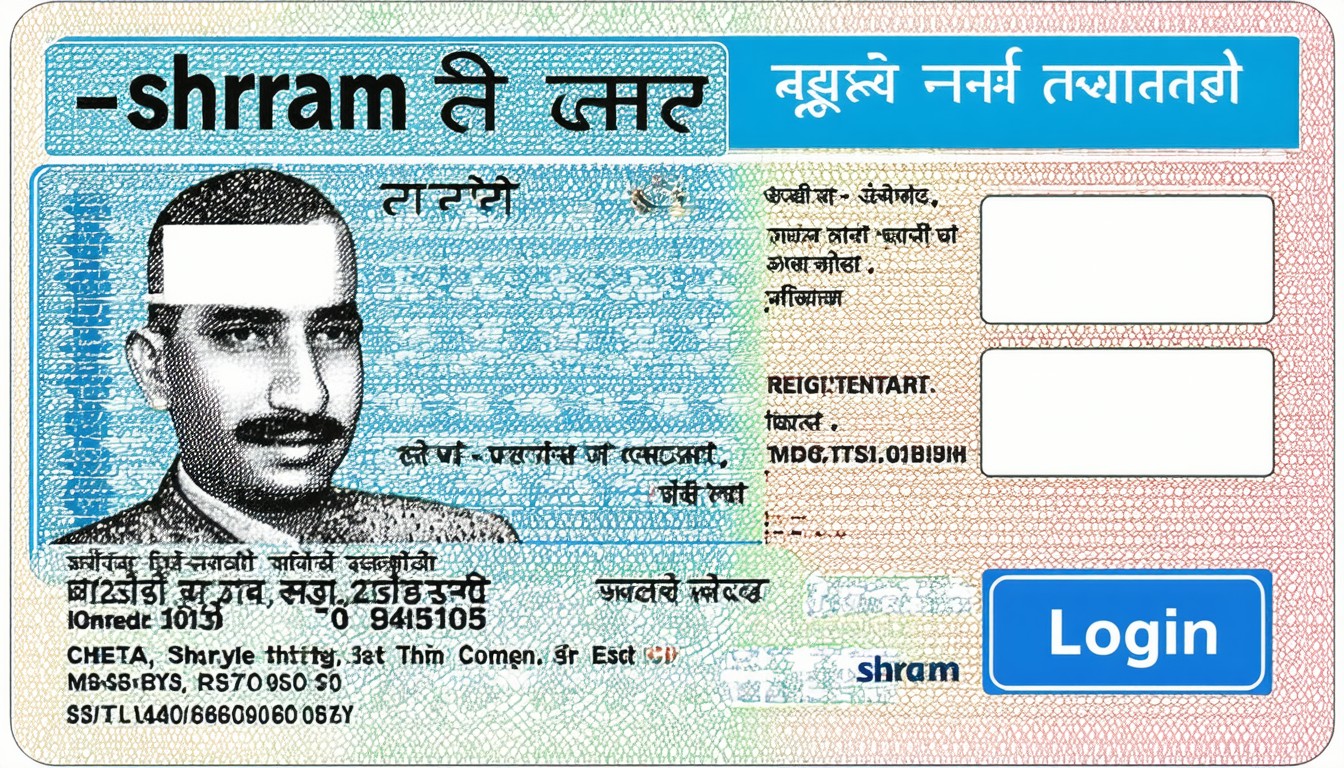
India’s informal workforce represents a lifeline for the country’s economy, yet it often exists without formal recognition, security, or access to social welfare. To bridge this gap, the government introduced the e-Shram portal and the e-Shram Card—a transformative digital platform aimed at registering and empowering unorganized workers. This initiative promises social protection, streamlined government benefits, and greater dignity for millions who traditionally remain invisible within existing databases. As socioeconomic challenges shift and digital inclusion becomes a central policy goal, understanding the e-Shram Card’s mechanisms, eligibility, and advantages is more relevant than ever.
What is the e-Shram Card and Why Does It Matter?
The e-Shram Card is a unique identification card specifically designed for workers in India’s vast unorganized sector. It was launched by the Ministry of Labour & Employment to serve as a national database for informal workers—ranging from street vendors and rickshaw pullers to domestic helpers and gig economy participants.
Unlike traditional identification systems, e-Shram consolidates crucial information that helps policymakers craft targeted welfare schemes and emergency relief measures. Notably, its digital nature enables portability of benefits, so workers can access support nationwide, regardless of location.
“The e-Shram Card initiative has been a pivotal step in mainstreaming informal workers, enabling data-driven policy interventions and boosting social security coverage,” said a senior official at the Ministry of Labour and Employment.
Eligibility Criteria: Who Can Register for an e-Shram Card?
The e-Shram Card is intended for those outside established social security frameworks, focusing specifically on the unorganized workforce. Eligibility criteria include:
- Age Range: Applicants must be between 16 and 59 years old.
- Employment Type: Only workers in the unorganized sector (such as construction laborers, agricultural workers, street vendors, domestic staff, and self-employed individuals) are eligible.
- Social Security Status: Registrants should not be members of Employees Provident Fund Organization (EPFO), Employees’ State Insurance Corporation (ESIC), or National Pension Scheme (NPS) subscribers.
- Aadhaar Linkage: A functional Aadhaar card and linked mobile number are mandatory for verification and communication.
The government’s focus on inclusion means even gig workers and platform-based freelancers are encouraged to apply—a step aligning with global pushes for gig economy recognition.
Registration Process: Step-by-Step Guide to Getting an e-Shram Card
Accessing the benefits of e-Shram hinges on digital literacy and navigating a streamlined registration process. Here’s a practical step-by-step framework:
Preparing for Registration
- Ensure your Aadhaar Card details are up-to-date and your mobile is linked.
- Keep a recent bank passbook or account details ready for benefit transfers.
Online Registration Process
- Visit the e-Shram Portal: Go to eshram.gov.in.
- Self-Registration: Click on “Register on e-Shram” and enter your Aadhaar-linked mobile number.
- OTP Verification: Enter the OTP for identity confirmation.
- Personal Details: Fill out information such as name, address, occupation, skillset, and bank account details.
- Final Submission: Review and submit the form for instant generation of your Universal Account Number (UAN) and downloadable e-Shram Card.
Offline Registration Options
For those facing digital barriers, Common Service Centers (CSCs) across India offer assisted registration, ensuring broad accessibility across rural and semi-urban regions.
Salient Benefits of the e-Shram Card
Holding an e-Shram Card unlocks multiple layers of security and welfare:
- Accident Insurance Coverage: Registered workers receive coverage under the Pradhan Mantri Suraksha Bima Yojana (PMSBY), offering financial support in cases of accidental death or disability.
- Access to Future Schemes: The card streamlines eligibility across various central and state social security schemes, making it easier to receive direct benefit transfers.
- Emergency Support: During crises—such as the COVID-19 pandemic or natural disasters—enrolled workers can be immediately identified for aid.
- Portability: The unique UAN allows workers to claim benefits regardless of migratory movement within the country.
Notably, over the past two years, many migrant laborers and temporary workers benefited from direct cash transfers and food subsidies during pandemic-induced lockdowns, thanks to detailed registration on government platforms.
e-Shram Login and Account Management
Accessing and managing your e-Shram account is crucial for keeping records updated and tracking benefits:
Login Process
- Visit the e-Shram portal.
- Use your Aadhaar-linked credentials or UAN to log in.
- Update any changes in profile, bank account details, or occupation through the dashboard.
Managing E-Shram Data
Timely updates help ensure seamless benefit disbursal and continued eligibility. Regular login also allows workers to monitor new schemes for which they may become eligible as policies evolve.
Tackling Challenges and the Road Ahead
Despite its promise, broad implementation of the e-Shram initiative faces on-ground challenges:
- Awareness Gaps: Many eligible workers are unaware of the scheme or lack digital literacy.
- Technological Barriers: Limited smartphone or internet access in rural areas can hinder self-registration.
- Data Security: Protecting sensitive personal and financial data remains an ongoing priority, demanding robust cybersecurity measures.
Still, with coordinated state outreach and the involvement of NGOs and worker unions, enrolment numbers have soared over time. This collaborative approach will be vital as the program seeks deeper roots in India’s 450-million-strong informal workforce.
Conclusion: Building a Resilient and Inclusive Workforce
The e-Shram Card represents more than a registration drive—it’s a leap towards recognizing, protecting, and uplifting India’s informal labor force. By simplifying registration, centralizing data, and delivering tangible social security, the initiative lays a foundation for more resilient livelihoods and equitable growth. Continued awareness, technology upgrades, and policy refinement will ensure it remains a cornerstone of India’s evolving social welfare architecture.
FAQs
What is the e-Shram Card, and who is it for?
The e-Shram Card is a digital identity card for unorganized sector workers in India, such as daily laborers, domestic helpers, and gig workers. It aims to streamline access to government welfare schemes and social security benefits.
How do I check my e-Shram Card status online?
Visit the official e-Shram portal and log in using your UAN or Aadhaar-linked mobile number. The dashboard provides real-time updates on registration and application status.
Are gig economy workers eligible for e-Shram Card registration?
Yes, gig workers—including those working with app-based services—can register, provided they are not enrolled in formal social security schemes like EPFO or ESIC.
What types of benefits do e-Shram Card holders receive?
Cardholders are primarily eligible for accident insurance, streamlined access to welfare schemes, emergency benefits, and portability of government aid across states.
Can I register for an e-Shram Card if I already have an EPFO account?
No, individuals who are part of established social security systems like EPFO, ESIC, or NPS do not qualify for e-Shram registration.
How can I update my details if my occupation or address changes?
Log in to your e-Shram account via the portal, navigate to the profile section, and update your personal or occupational details as needed to keep records current.













Leave a comment