

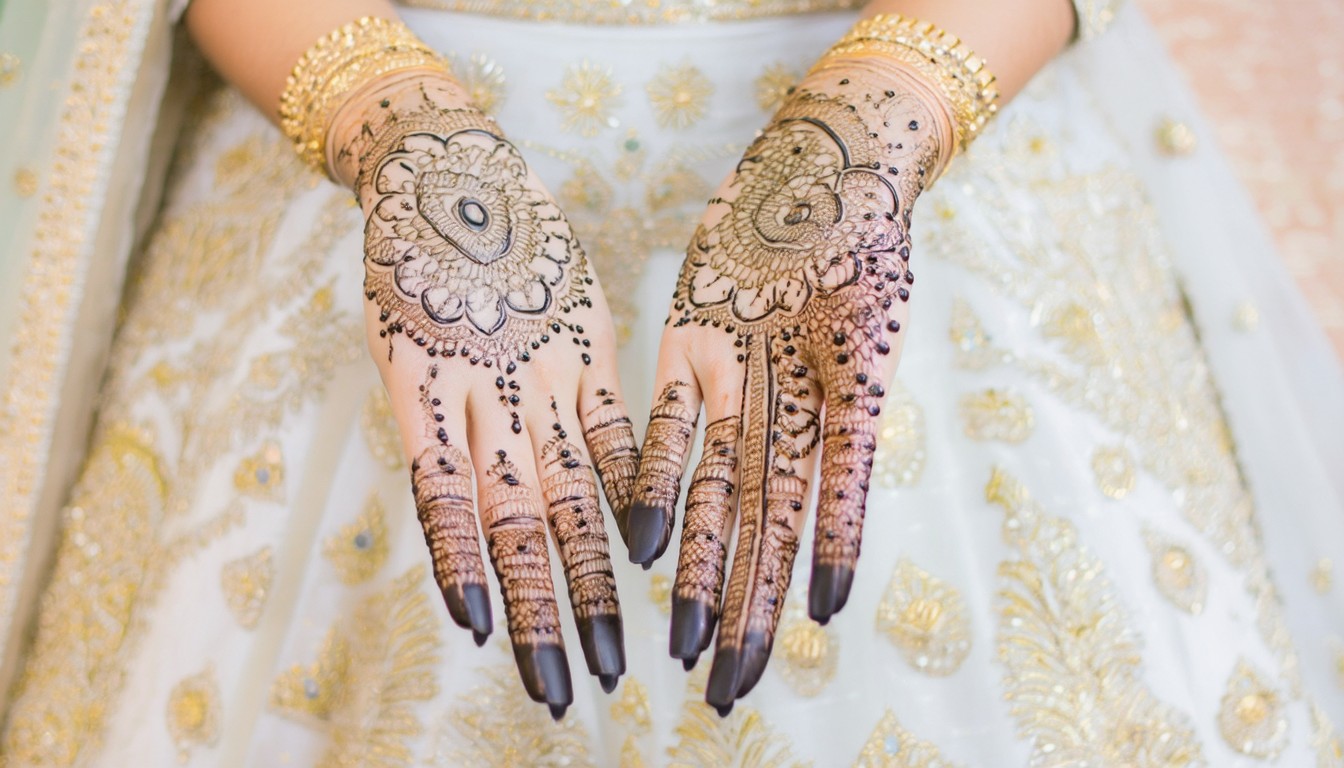
Intricately detailed mehndi, also known as henna art, has graced the hands of brides for centuries across South Asia, the Middle East, and North Africa. Among the many types of body art associated with weddings, full hand mehndi designs stand out for their visual grandeur and rich cultural symbolism. Modern brides seek these elaborate patterns to express tradition, celebrate joyous occasions, and showcase personal style—all in one breathtaking canvas.
Today, full hand mehndi has evolved beyond classic motifs. Influenced by global art, fashion trends, and personal stories, each design can be uniquely tailored. This balance of tradition and individual expression ensures full hand mehndi remains a core element of bridal beauty worldwide.
Essential Elements of Full Hand Mehndi Design
Full hand mehndi—involving art that covers the palm, back of the hand, and stretches to the wrists or forearms—is characterized by its density and complexity. Several elements frequently feature in these designs:
- Paisleys & Florals: Timeless motifs symbolizing fertility and joy.
- Peacocks: Often central to South Asian designs, representing grace and beauty.
- Mandala Circles: Signifying unity and eternity.
- Bride & Groom Figures: Personalized motifs telling the couple’s story.
- Mesh or Net Patterns: Adding texture, depth, and movement.
- Arabic Swirls: Bold, flowing lines offering a modern twist.
Each motif carries meaning, transforming a bride’s hands into a narrative tapestry. For example, incorporating the groom’s initials, hidden within complex lines, has become a playful and intimate tradition.
Contemporary Trends in Bridal Mehndi
While classical styles endure, contemporary bridal tastes have expanded the possibilities for full hand mehndi design. Several significant trends have emerged:
Minimalist Meets Maximalist
Not all brides favor super-dense application. Some opt for strategically placed negative space, blending bold lines with delicate elements. This creates a striking contrast, merging tradition with a lighter, modern feel.
Fusion of Regional Styles
Innovative artists now mix motifs from different regions—for instance, delicate Indian finery with bold Gulf-style florals, or Moroccan geometric influences with Rajasthani detailing. This hybrid approach reflects diverse cultural influences and global connectivity.
Personalized Imagery
Brides increasingly customize their mehndi with imagery that reflects shared moments—favorite places, pets, or even engagement rings. A Mumbai-based mehndi artist, Amrita Joshi, observes:
“Personalized mehndi tells the couple’s story. Including travel icons or meaningful symbols creates an intimate, one-of-a-kind design that resonates with both families.”
Glitter, Stones, and Colored Accents
For those seeking extra flair, contemporary mehndi incorporates glitter, gems, or even temporary color highlights. Though not traditional, such enhancements create a memorable look for pre-wedding photos and celebrations.
Regional Variations: Diversity in Full Hand Designs
Indian Mehndi
Dense, elaborate, and fine-lined, Indian full hand designs often cover the entire surface. Motifs include gods, floral vines, and concentric patterns, creating a lush tapestry effect. Rajasthani brides frequently opt for motif-rich, symmetrical layouts, while Punjabi designs are known for bold, statement-making shapes.
Arabic Mehndi
Flowy and bold, Arabic mehndi typically uses larger spaces and sweeping curves. While not always as dense, when adapted for full hand coverage, Arabic designs balance negative space with visually impactful floral and leaf arrangements.
Moroccan Mehndi
Geometric, angular, and linear, Moroccan patterns offer a distinct alternative for brides wanting a contemporary yet rooted look. These designs rely on symmetry, intricate grids, and sharp triangular forms.
Western-Inspired Mehndi
In Western contexts—often for fusion weddings—mehndi artists may incorporate botanical or lace-inspired motifs. These tend to be lighter, emphasizing elegance over density, and sometimes integrated into hand jewelry or glove-like patterns for a fashion-forward effect.
Practical Considerations: Preparation and Timing
Achieving a perfect full hand mehndi design goes beyond selecting the right pattern. Key aspects include:
- Preparation: Clean, exfoliated skin holds color better. Avoid oils or lotions before application.
- Artist Selection: Professional artists with a rich portfolio ensure quality and hygiene.
- Timing: Mehndi should be applied 1–3 days before the event. This window allows maximum color development while ensuring freshness for the wedding.
- Aftercare: Heat and natural oils (like clove steam or coconut oil) help deepen the stain. Water and harsh soaps should be avoided in the first 24 hours post-application.
Beyond the technical, emotional readiness also matters; brides often relax during application, using the moment for reflection and celebration with loved ones.
Showcasing Mehndi: Ways to Make Your Design Stand Out
In today’s visually driven era, sharing beautiful mehndi art has become a trend in itself. Brides now coordinate their jewelry, nail color, and accessories to highlight their full hand mehndi during photo shoots and ceremonies.
A few tips to enhance the impact:
- Contrast with Wedding Dress: Select colors that set the mehndi stain apart.
- Jewelry Choices: Wear rings and bangles that accentuate wrist and finger designs.
- Photography: Opt for close-up shots of hands clasping, holding flowers, or intertwined with the groom’s, capturing design details and emotional moments.
Case in point: many South Asian wedding photographers now create dedicated sessions for ‘Mehndi reveals’, reflecting the growing role of this art in bridal storytelling.
The Evolving Role of Mehndi Artists
Professional mehndi artists are now as essential as makeup and hairstylists in the bridal industry. Many have gained significant followings on social media, sharing their unique styles and booking clients internationally. This rise in visibility has spurred creativity and healthy competition, elevating the entire craft.
“Today, brides view their mehndi artist as a creative collaborator,” says noted Dubai-based designer Sana Thakur. “It’s about translating a vision—blending tradition, identity, and artistry for a design that truly resonates.”
Moreover, the democratization of mehndi through online tutorials and design inspiration boards has made custom, statement mehndi accessible beyond the elite, fostering greater diversity and innovation in the field.
Conclusion
Full hand mehndi design stands at the intersection of tradition, artistry, and personal expression. Whether drawing on ancient motifs or introducing bold, new twists, bridal mehndi remains an enduring symbol of celebration and identity. Every design tells a unique story, capturing a moment in time for brides around the world.
For those preparing for a wedding or major celebration, investing time in design selection, artist collaboration, and aftercare will ensure the mehndi not only looks exquisite but resonates with personal meaning. As the art form continues to evolve, it promises to remain a central, vibrant aspect of global bridal culture.
FAQs
What makes a full hand mehndi design different from other styles?
Full hand mehndi covers the entire hand, both front and back, often extending to the wrists or forearms, with intricate detailing that sets it apart from minimalist or partial hand designs.
How long does a full hand mehndi application take?
Depending on complexity, the process can take anywhere from two to six hours. Professional artists may design both hands in one session or split across consecutive days.
How can I make my mehndi stain darker and last longer?
Avoid water immediately after removal, use natural oils for aftercare, and keep your hands warm post-application. Stain intensity can also depend on the fresh quality of the paste.
Is it possible to personalize my full hand mehndi design?
Absolutely. Many artists encourage personalization by incorporating unique motifs, initials, or elements that reflect your story, hobbies, or cultural background.
When should I get my mehndi done before my wedding?
The ideal time is 1–3 days before the festivities, allowing the stain to reach peak darkness while ensuring designs stay fresh for key ceremonies.












Leave a comment