

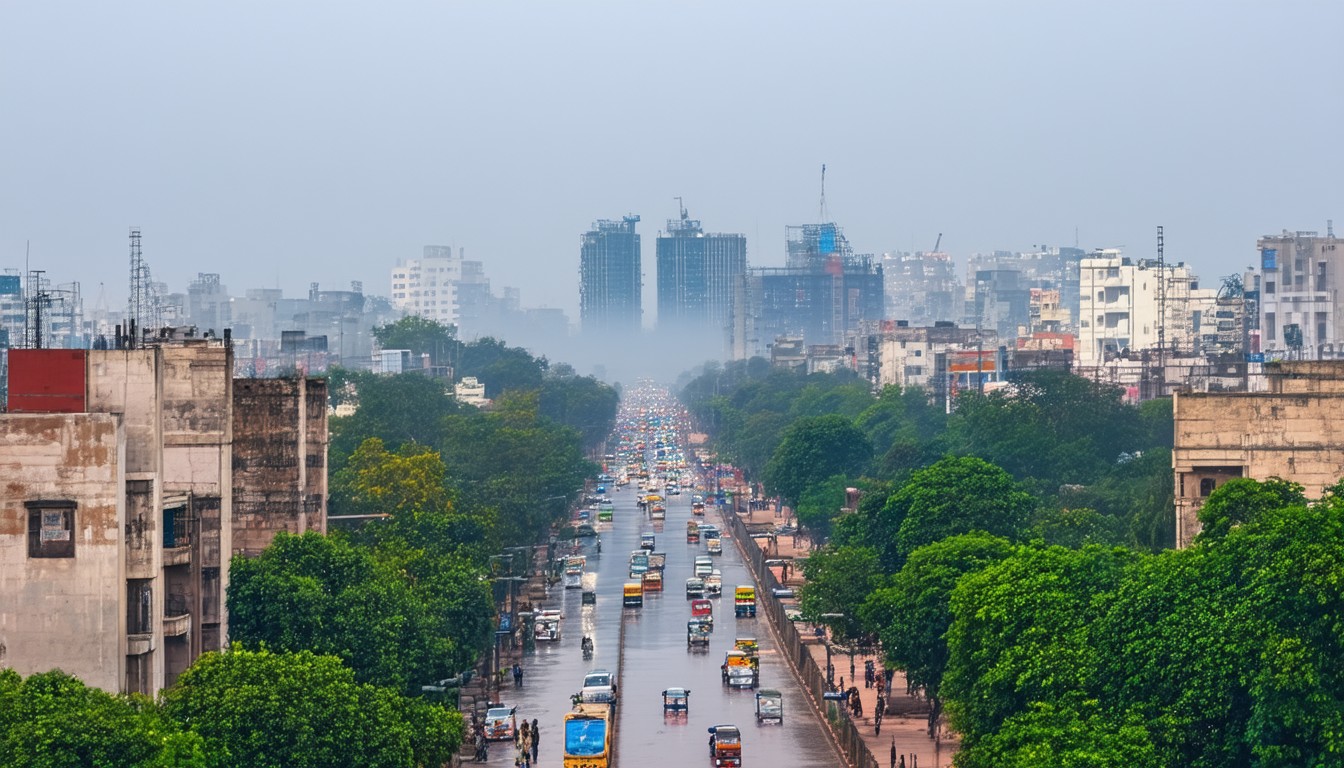
Ahmedabad, known as Gujarat’s economic powerhouse, stands out not only for its bustling business landscape but also for its unique and often challenging weather. From searing summer heatwaves to sudden monsoon bursts, understanding Ahmedabad’s local climate is crucial for residents, business travelers, policymakers, and anyone monitoring Indian weather patterns. This guide explores Ahmedabad’s temperature ranges, rainfall patterns, seasonal shifts, and how changing climate trends are impacting daily life.
Seasonal Overview: What Defines Ahmedabad’s Weather Year-Round?
Ahmedabad’s weather, categorized by the India Meteorological Department (IMD) as hot semi-arid, unfolds across three distinct seasons: summer, monsoon, and winter.
Summer: Extreme Heat and Dry Winds
From March to June, temperatures in Ahmedabad routinely soar above 40°C (104°F), especially in May, the city’s hottest month. Dry heat dominates, often accompanied by gusty winds that offer little relief.
- High Temperatures: Daytime maximums regularly exceed 42°C.
- Health and Urban Challenges: Prolonged high temperatures trigger heat advisories, leading to modified school and office hours, and increased reliance on air conditioning.
Monsoon: Relief Arrives with Intense Showers
The Southwest Monsoon typically arrives in late June, transforming dusty streets and parched landscapes. Most of Ahmedabad’s annual rainfall—averaging 750–800 mm—falls between late June and September.
- Rainfall Patterns: Showers can be sporadic but intense, causing urban flooding and impacting transportation.
- Humidity Increases: Comfortable evenings give way to sticky, humid nights.
Winter: Mild Days, Crisp Nights
From November through February, winter brings milder weather—a respite many cherish. Daytime temperatures hover between 20–30°C (68–86°F), while nights can become surprisingly cool, dipping to single digits in some years.
- Fog and Air Quality: Cold snaps can cause early morning fog, and lower wind speeds sometimes worsen urban air pollution.
Climate Data and Notable Trends
Analyzing weather data from the past two decades, Ahmedabad’s climate exhibits both expected patterns and new trends caused by urbanization and climate change.
Key Weather Statistics
- Annual Average Temperature: 27–29°C (across seasons).
- Hottest Recorded: Close to 47°C, during peak summer events.
- Typical Monsoon Rainfall: Around 80% of yearly precipitation falls within three months.
Shifting Patterns and Urban Impact
Recent studies indicate a gradual rise in average temperatures, with heatwaves becoming more frequent. Simultaneously, rainfall is showing increasing variability—with some years witnessing unusually heavy downpours leading to urban flooding.
“Ahmedabad is a classic example of Indian cities facing the twin challenges of rising temperatures and erratic rainfall. Urban planners must now factor in these extremes to safeguard both infrastructure and public health.”
— Dr. Priya Kulkarni, Environmental Scientist
Urban Heat Island Effect
Beyond broader climate shifts, Ahmedabad’s rapid urban development has intensified the “urban heat island” phenomenon, where city centers record higher temperatures than surrounding rural areas due to concrete, asphalt, and reduced tree cover. Areas like Navrangpura and Maninagar often see noticeably higher night-time temperatures.
Weather and Daily Life: Practical Considerations
Weather in Ahmedabad shapes daily routines, business operations, and even public health responses. Planning around the city’s meteorological rhythms is essential for both locals and visitors.
Transportation and Commuting
Monsoon rains can disrupt rail and road systems, leading to delays, water-logged streets, and traffic jams. Auto-rickshaw drivers and app-based taxi operators often adjust routes or surge pricing during heavy rainfall periods.
Power and Water Demand
Extreme summer heat drives a city-wide surge in electricity consumption, primarily for cooling. Simultaneously, higher temperatures can exacerbate water scarcity, despite improvements in municipal supply.
Health Precautions
Summer’s intense heat increases the risk of dehydration and heatstroke. The city’s health advisories emphasize drinking water, seeking shade, and avoiding outdoor exertion during peak afternoon hours. During winter, cold nights occasionally prompt warnings for the elderly and infants, especially when temperatures dip abnormally low.
Weather Forecasting: Accessing Real-Time Data
Staying informed about Ahmedabad’s weather is easier than ever, thanks to modern forecasting tools and mobile technology.
Trusted Information Sources
- IMD Updates: The India Meteorological Department provides authoritative daily forecasts and severe weather alerts.
- Weather Apps: Platforms like AccuWeather and Skymet deliver hyperlocal updates, including rain and heat advisories.
- Local Media: Gujarati language TV channels and radio remain popular for quick, region-specific bulletins.
Increasing Forecast Accuracy
Recent advances in satellite imaging and AI-based prediction models have improved the accuracy of local forecasts. Sudden thunderstorm warnings during the monsoon, which once were rare, are now increasingly reliable—empowering residents to plan ahead.
Climate Change and Resilience Initiatives
Ahmedabad’s weather story cannot be told without addressing the growing influence of global climate change and urban adaptation measures.
Rising Temperatures and Proactive Responses
The city has faced record-breaking heatwaves and delayed or excessive monsoon seasons over the past decade. In response, Ahmedabad has implemented one of India’s first Heat Action Plans (since 2013), focusing on community awareness, emergency response, and urban greening.
- Cool Roofs: White-washed roofs reflect more sunlight, helping reduce indoor temperatures.
- Tree-Planting Drives: Targeted greenery projects in neighborhoods vulnerable to heat stress.
Flood Management and Urban Planning
Efforts to expand drainage capacity and build new retention ponds aim to reduce monsoon flooding risks, particularly in low-lying zones.
Conclusion
Ahmedabad’s weather is a tapestry of extremes—intense summers, dramatic monsoons, and short, pleasant winters. Ongoing climate trends signal the need for flexible planning and community resilience. Staying aware of forecast data, heedful of seasonal challenges, and adopting climate-smart measures ensures a safer, more adaptive city for all.
FAQs
How hot does it get in Ahmedabad during summer?
Ahmedabad’s summer can see daytime temperatures exceed 42°C, especially in May, making it one of the hottest cities in western India.
When is the monsoon season in Ahmedabad, and how much does it rain?
The monsoon typically arrives in late June and lasts through September, bringing about 750–800 mm of annual rainfall, with most falling during these months.
Is winter in Ahmedabad very cold?
Winters are generally mild, with daytime temperatures around 20–30°C. Nights can become cool, occasionally dipping into single digits, but severe cold is rare.
How does the weather affect daily life in Ahmedabad?
High temperatures and seasonal rainfall influence transport, electricity usage, and public health. People plan activities to avoid peak heat and adjust their routines during heavy rains.
Are there recent weather or climate changes impacting Ahmedabad?
Studies and local observations suggest warmer summers and more variable rainfall in recent years, prompting new heat and flood management strategies.
Where can residents and visitors find reliable weather updates?
The India Meteorological Department’s website, popular weather apps, and regional news channels offer timely, accurate updates for Ahmedabad’s weather conditions.














Leave a comment