

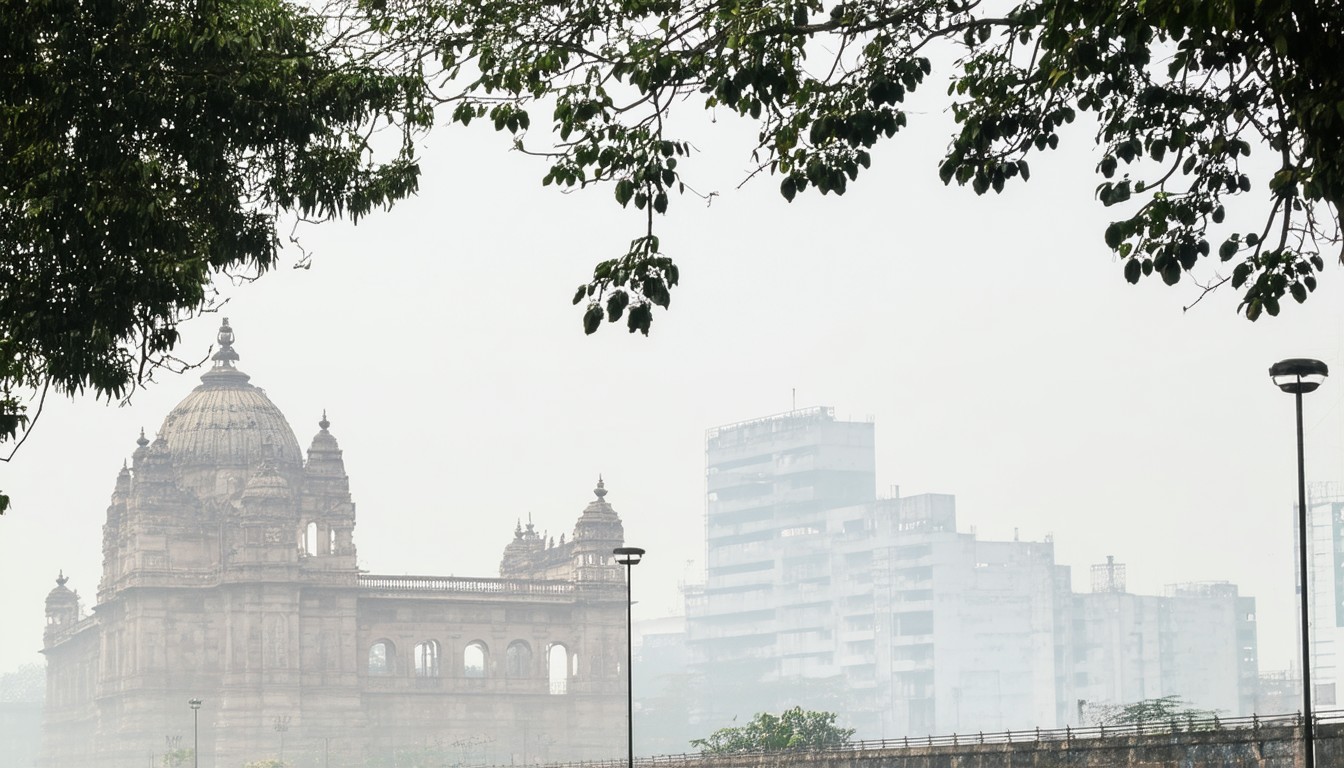
Kolkata, formerly known as Calcutta, stands at the heart of eastern India’s socio-economic activity, and its weather patterns influence everything from daily commuting to business, events, and public health. A city situated on the banks of the Hooghly River, just 22 kilometers upstream from the Bay of Bengal, Kolkata’s unique geographical positioning makes its weather both intriguing and sometimes challenging. Understanding the current weather in Kolkata, staying updated with reliable forecasts, and grasping the underlying climatic trends can prove crucial for residents, visitors, and decision-makers alike.
Current Weather in Kolkata: What Shapes the City’s Conditions
Kolkata experiences a typical tropical wet-and-dry climate, marked by pronounced seasons that bring dramatic changes in temperature, humidity, and precipitation. At any given moment, a mix of regional and global factors—including pressure systems over the Bay of Bengal, monsoonal airflows, and urban microclimate effects—can influence conditions across the metropolis.
Typical Temperature and Humidity Profiles
Generally, March through May presents hot, sultry afternoons where maximum daytime temperatures often hover in the 35–40°C range. Humidity levels typically exceed 70%, especially as the pre-monsoon period progresses. The combination of high heat and moisture spawns discomfort and occasionally heatwave warnings from the Indian Meteorological Department (IMD).
During the monsoon months (June to September), Kolkata witnesses frequent heavy downpours, thunderstorms, and cool easterly winds. The temperature moderates, ranging from 27°C to 34°C, but humidity remains high. Real-time data from local weather stations reveal that even a brief mid-day shower can drop the apparent temperature by several degrees, providing temporary respite but heightening the clamminess residents often report.
Rainfall and Storm Dynamics
Kolkata receives the majority of its annual 1,600–1,800 mm rainfall during the monsoon season. Sudden squalls, locally known as ‘Kalbaisakhi’ or Nor’westers, sweep across the city—often bringing strong winds, intense lightning, and heavy rain in a matter of minutes. On the flip side, non-monsoon months can create dry, dusty weather, punctuated by a few unseasonal showers.
Weather Forecasts for Kolkata: How to Read and Use Them
Accurate forecasting is critical for a city of Kolkata’s size. Given the city’s vulnerability to weather extremes—from cyclonic activity to heatwaves—reliable updates allow both individuals and organizations to prepare adequately.
Interpreting Weather Updates
Weather forecasts for Kolkata typically include several elements:
- Temperature (current, min, max)
- Precipitation probability and amount
- Wind speed and direction
- Humidity levels
- Visibility conditions
- UV index alerts
Modern updates increasingly use radar and satellite technology, enhancing the ability to predict localized conditions such as neighborhood thunderstorms or urban flooding risks. Mobile apps and official websites (notably the IMD and local news outlets) provide hour-by-hour updates, which are especially crucial during monsoon months or cyclonic systems emerging over the Bay of Bengal.
Impact of Extreme Events
“The last decade has demonstrated a clear uptick in extreme weather incidents impacting Kolkata—be it sudden urban flooding or prolonged heat spells. Early warning and localized forecasting now play a pivotal role in keeping life and commerce moving safely,” says Dr. Samar Mukherjee, a senior meteorologist based in Kolkata.
Recent cyclones (such as Amphan in 2020 and Yaas in 2021) highlighted how rapidly Kolkata’s weather can shift from calm to life-threatening within hours. These occasions tested not only forecasting technology but also emergency preparedness and the resilience of urban infrastructure.
Seasonal Patterns: Kolkata’s Year-Round Weather in Perspective
Winter: Mild and Comfortable
From late November through mid-February, Kolkata enjoys its most congenial weather. Daytime temperatures linger in the low to mid-20s °C, while nights sometimes dip to 12°C–15°C. Humidity drops, and fog or mist is not uncommon during December and January mornings. Business, events, and tourism all thrive in this relatively dry and pleasant season.
Summer: The Build-Up to Monsoon
As spring fades, Kolkata’s summer arrives swiftly. High temperatures combine with rising humidity and bring frequent power consumption spikes as residents rely more on air conditioning and fans. Sporadic, intense thunderstorms—Nor’westers—can upend daily life, causing traffic snarls and localized flooding.
Monsoon: Heavy Rains and City Life Disruptions
June initiates the four-month monsoon, which brings relief from the searing heat but introduces other challenges. Regular and sometimes torrential rain triggers concern over urban flooding, waterlogging, and transportation delays. Despite these disruptions, the monsoon is crucial, replenishing water reservoirs and enabling agriculture both within and surrounding the city.
Post-Monsoon and Transition Period
October and November mark the transition. Short-lived squalls may still occur and humidity remains high, but temperatures begin to drop. The festive season that coincides with this period (notably Durga Puja) often contends with unpredictable showers—highlighting the importance of reliable weather updates.
Climate Change and Kolkata’s Weather: Trends and Concerns
Kolkata’s weather patterns are not immune to broader climate shifts. Studies by the Center for Science and Environment and other organizations have documented a rise in average annual temperatures, more frequent heatwaves, and a marginal increase in annual rainfall.
Rising Temperatures and Urban Heat
Urban expansion—a phenomenon observable in Kolkata’s growing suburbs and dense central districts—has contributed to the “urban heat island” effect. Paved surfaces, lack of green spaces, and increased vehicle emissions mean that some city zones now experience noticeably higher temperatures than outlying areas.
Changing Rainfall Patterns and Flooding
Irregular bursts of very heavy rain—especially outside the traditional monsoon period—are increasingly noticeable. Experts caution that this could strain drainage systems designed for older, less intensive rainfall patterns, heightening the risk of flash floods.
“Climate resilience is fast becoming central to how Kolkata plans for the future. Infrastructure upgrades, smarter drainage systems, and climate-adapted construction are all on the city’s agenda in response to evolving weather patterns,” notes Dr. Mukherjee.
Useful Tips: Navigating Kolkata’s Weather
- Always check real-time weather updates before planning important journeys, especially during monsoon or summer months.
- For outdoor activities in spring or summer, carry water, wear light clothing, and use sun protection.
- Consider using location-based mobile weather apps for hyperlocal forecasts—these can warn of incoming showers or extreme conditions at the neighborhood level.
- During the monsoon, allow extra travel time and stay alert for local advisories about waterlogging or traffic disruptions.
- Plan events and business activities in sync with seasonal trends, leveraging the mild winter as the preferred window when possible.
Conclusion
Kolkata’s weather is shaped by powerful natural forces and ongoing urban development. Seasonal changes bring both challenges and opportunities, requiring a blend of traditional intuition and modern forecasting for safe, productive city life. The impact of climate change now demands that Kolkata’s citizens, policymakers, and businesses pay ever-greater attention to weather trends and adaptation strategies. Staying informed, prepared, and flexible remains key to thriving in the City of Joy—rain or shine.
FAQs
What is the best time to visit Kolkata based on the weather?
The ideal time to visit Kolkata is during the winter months (November to February), when temperatures are mild and humidity is low, making sightseeing and outdoor activities especially pleasant.
How reliable are weather forecasts for Kolkata?
Short-term forecasts (up to three days) are generally accurate thanks to advanced radar and satellite monitoring. However, sudden local thunderstorms or shifts—especially during the monsoon—can make precise predictions challenging.
Why does Kolkata experience sudden heavy rainfall during the pre-monsoon season?
These intense showers, locally known as Nor’westers, occur due to the clash of moist air from the Bay of Bengal with dry, hot inland winds, creating strong thunderstorms and abrupt downpours.
How does monsoon weather affect daily life in Kolkata?
Monsoon brings heavy, recurring rains that often lead to traffic delays, waterlogging, and increased risk of urban flooding. Residents adapt by planning travel during dry spells and staying updated with local alerts.
What steps can be taken to stay safe during extreme weather in Kolkata?
Monitor official weather advisories, avoid unnecessary travel during storms, keep emergency supplies handy, and remain cautious of potential hazards like waterlogged roads and electrical outages.
Is Kolkata vulnerable to cyclones?
While less exposed than coastal towns, Kolkata can experience significant effects from cyclones originating in the Bay of Bengal, including strong winds and heavy rain, as seen during recent severe cyclonic storms.














Leave a comment