

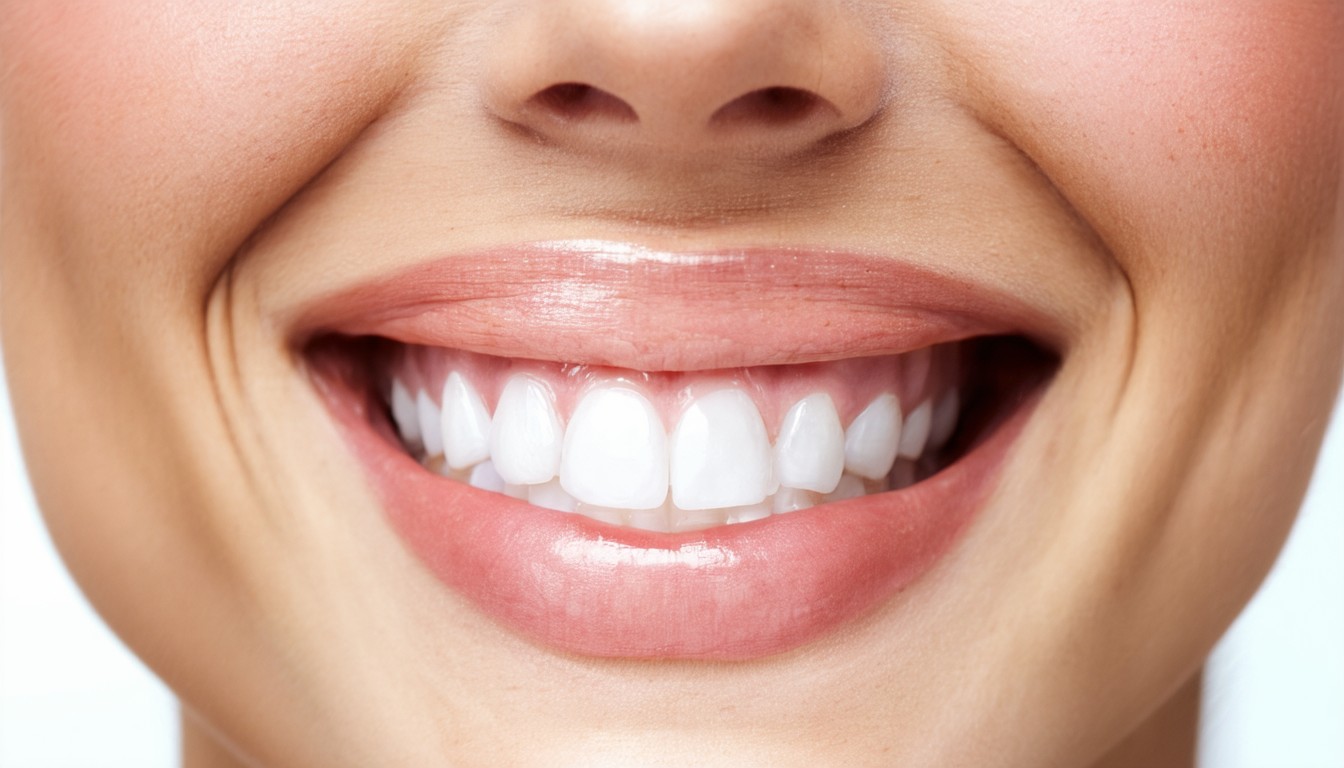
The pursuit of a radiant and healthy smile is more than mere aesthetics—it’s a cornerstone of personal well-being and confidence. In recent years, as dental technology and awareness have expanded, the concept of a “smile cast” has emerged as a holistic approach to understanding and improving our oral health journey. This guide examines how individuals and professionals are leveraging innovative strategies and tools—ranging from digital smile assessments to lifestyle adjustments—to forecast, enhance, and sustain brighter smiles.
Understanding the Smile Cast: A Holistic Prognosis for Oral Health
Imagine a forecast for your smile—much like a weather report, but for dental well-being. This is the essence of a smile cast: an assessment rooted in both current oral health and predictive factors, designed to guide proactive care.
Dentists increasingly use digital imaging, intraoral scanners, and AI-powered software to visualize future dental outcomes. These tools evaluate factors such as enamel wear, gum condition, and bite alignment, offering patients a clear snapshot of potential issues before they arise. For instance, many orthodontists now begin treatment planning by generating digital simulations of projected tooth movement. Such forward-looking evaluations empower patients to make informed choices and mitigate long-term risks.
“A smile cast lets us tell the ‘story’ of a patient’s oral health, predicting concerns before they escalate and supporting choices that preserve both function and beauty,” says Dr. Maria Svensson, a board-certified prosthodontist.
Beyond the clinic, dental apps and at-home devices are democratising smile forecasting. Users can capture high-resolution images that, coupled with questionnaires on habits such as diet and brushing, generate personalized wellness plans. This growing integration of everyday technology and dentistry supports regular self-monitoring and earlier professional intervention.
The Cornerstones of a Healthy, Brighter Smile
Daily Growth: Habits That Influence the Smile Cast
Oral health doesn’t exist in a vacuum. Instead, it’s shaped by a dynamic interplay of daily routines, dietary patterns, and genetics. Experts point to several pivotal practices:
- Consistent Oral Hygiene: Brushing at least twice daily with a fluoride toothpaste, flossing, and regular use of mouthwash are fundamental. The ADA notes that these habits significantly decrease the risks of cavities and gum disease.
- Smart Dietary Choices: Limiting sugary and acidic foods helps protect enamel and reduce bacterial growth. Crisp, fibrous fruits and vegetables like apples and carrots naturally clean teeth and stimulate saliva production.
- Hydration: Sufficient water intake assists in washing away food debris and maintaining saliva flow—a natural defense mechanism against plaque.
- Regular Dental Check-ups: Biannual visits not only allow for professional cleaning, but also for early detection of subtle changes that may forecast oral problems.
These habits, while simple, profoundly impact the trajectory of one’s smile over time.
Preventive Measures and Modern Therapies
The current era offers more than ever before in terms of preventive dental care and minimally invasive treatments. Dental sealants, fluoride varnishes, and advanced remineralization agents have driven down cavity rates in many communities. Moreover, clear aligners and customizable whitening systems provide effective, discreet ways to enhance smiles without traditional discomfort or lengthy procedures.
In addition, salivary diagnostics now allow for early detection of markers linked to gum disease and even systemic issues like diabetes. This not only promotes oral health but may contribute to broader health insights—demonstrating the interconnectedness of oral and overall wellness.
The Digital Evolution: Remote Assessments and Smile Design
Artificial Intelligence and Digital Dentistry
AI algorithms have rapidly infiltrated the dental field, enabling unprecedented accuracy in detecting lesions, analyzing smile symmetry, and mapping orthodontic movements. Start-ups and established software companies alike have launched platforms capable of analyzing thousands of dental images to predict caries, periodontal risk, and optimal treatment paths.
For example, leading practices now offer “virtual smile consultations,” where clients upload smartphone images and receive comprehensive smile analyses, including esthetic and functional recommendations. This not only increases access—especially in remote or underserved communities—but also meets the demand for personalized, convenient care.
Case Study: Smile Cast in Cosmetic Dentistry
Consider a patient seeking cosmetic improvement for uneven or discolored teeth. Before any intervention, their dentist performs a smile cast, integrating digital imaging, shade analysis, and patient lifestyle data. The resulting forecast outlines likely outcomes for veneers or aligner treatment, integrating the patient’s own preferences and concerns.
With these insights, patients are more empowered to collaborate in decision-making. Satisfaction rates with cosmetic dentistry have risen in part because of these “try-before-you-commit” simulations, reducing surprises and supporting healthy, realistic expectations.
Psychological Impact: The Ripple Effect of Smiling
The influence of a bright smile extends far beyond the dental chair. Numerous psychological studies suggest a strong correlation between self-perception of smile quality and social confidence. Employers cite a confident, healthy appearance among the top non-verbal drivers in hiring and promotion decisions.
Moreover, smiling has been shown to release endorphins and reduce stress. As such, a positive smile cast isn’t just about avoiding cavities—it can transform quality of life.
“A great smile is a passport to positive social and professional interactions,” notes behavioral scientist Dr. Priya Kapoor. “Proactive dental care shouldn’t be underestimated—it’s an investment in whole-person wellness.”
Overcoming Common Smile Barriers
Addressing Dental Anxiety
For many, the main barrier to a brighter smile is fear. The World Health Organization reports that dental anxiety affects a significant share of adults worldwide, leading to avoidance of care and escalation of treatable issues. Clinics now invest in patient education, gentle communication, flexible scheduling, and anxiety-reducing amenities.
Tackling Accessibility and Cost Challenges
While digital smile casts and advanced diagnostics are promising, their availability is not universal. Cost and insurance coverage remain hurdles for families in many regions. Non-profit dental clinics, school-based screenings, and mobile care initiatives are expanding reach, but disparities persist. As tele-dentistry matures, it may help close gaps by bringing preventive insights and remote consultations to those least likely to receive regular care.
Conclusion: The Future of the Smile Cast
The evolution of the smile cast—a data-driven, personalized approach to oral health forecasting—heralds a new era for dentistry. By combining daily vigilance, emerging technologies, and professional expertise, individuals can better predict, protect, and perfect their smiles. As the digital and preventive dental landscapes continue to advance, proactive engagement remains the single most important determinant of a healthy, lasting smile.
FAQs
What is a smile cast in dentistry?
A smile cast is a holistic evaluation or forecast of a person’s oral health and aesthetic potential, often using digital tools to map current conditions and predict future dental outcomes.
How do digital smile assessments work?
These assessments utilize high-resolution images, AI software, and sometimes patient lifestyle data to analyze dental structure, identify early risks, and simulate cosmetic or orthodontic changes.
Are at-home smile analysis tools accurate?
At-home tools offer useful preliminary insights and can encourage better oral habits, but they are not a substitute for professional dental examinations, which use more precise imaging and diagnostic resources.
How often should I update my smile cast or dental assessment?
For most adults, a comprehensive assessment once or twice a year—coinciding with regular dental check-ups—is sufficient. Those undergoing treatment may require more frequent updates.
Can a smile cast help prevent major dental problems?
Yes, by identifying risk factors and early warning signs, a smile cast empowers individuals and their providers to address minor issues before they progress to more serious health challenges.
What if I have anxiety about dental visits?
Modern dental practices increasingly offer anxiety-reducing options such as gentle communication, sedation, and supportive environments. Openly sharing concerns with your provider is a critical step in receiving comfortable care.















Leave a comment