

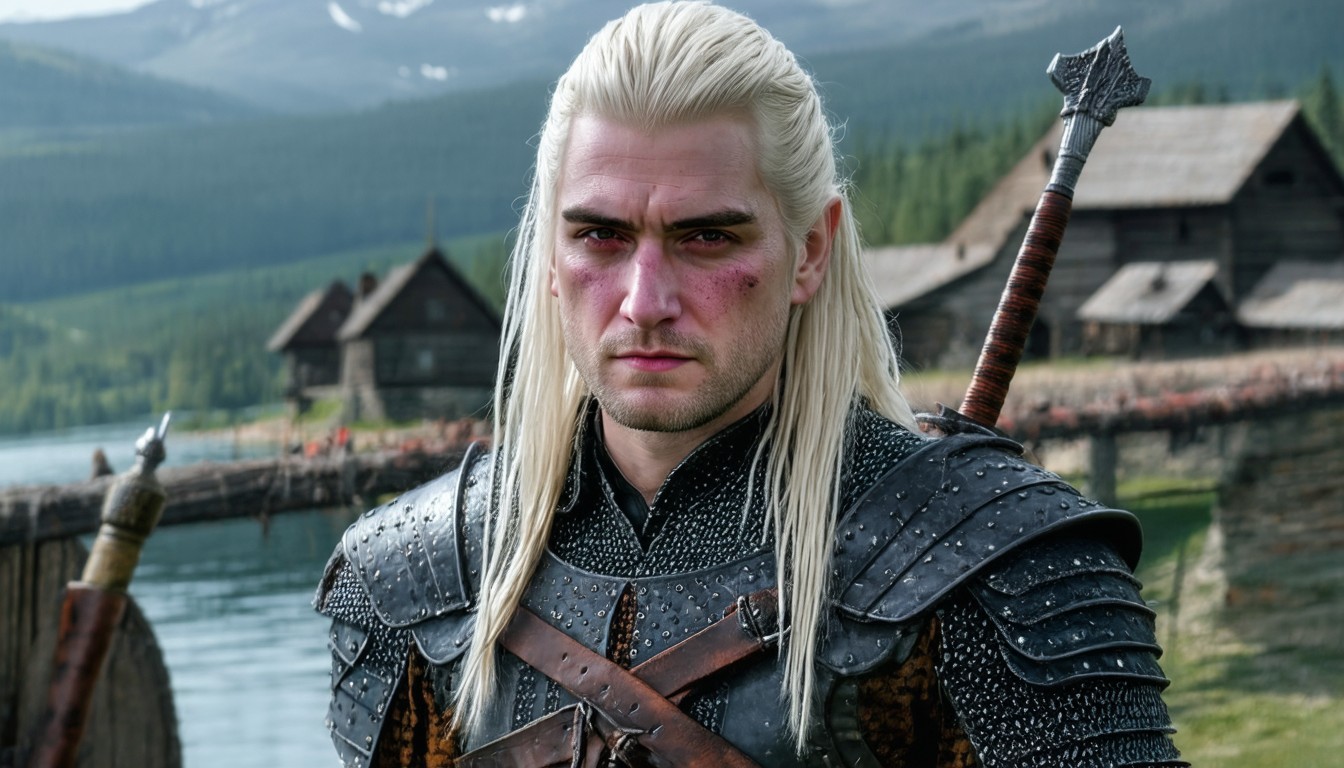
With “The Witcher” continuing as one of Netflix’s flagship fantasy series, the arrival of Season 4 holds significance for both longtime fans and new audiences rediscovering Andrzej Sapkowski’s world. Following the controversial conclusion of Season 3 and the headline-grabbing departure of Henry Cavill as Geralt of Rivia, Season 4 enters a well-established franchise at a crucial crossroads. This new chapter promises a mix of continuity and transformation, with changes in casting, evolving storylines, and an industry landscape that makes high-stakes fantasy more scrutinized than ever.
The New Face of Geralt and Core Cast Changes
The most seismic shift for “The Witcher Season 4” is the recasting of Geralt: Liam Hemsworth stepping into the monster hunter’s battered boots. This move, announced after Season 3 concluded, fuelled debate within fandom and the wider television industry. Showrunner Lauren Schmidt Hissrich described the transition as both “daunting and invigorating,” underscoring the challenge of maintaining continuity while inviting a fresh interpretation of the series’ central figure.
“Recasting a beloved character, especially one defined so deeply by a performer like Henry Cavill, is always a risk,” notes pop culture critic Anna Dinsdale. “But the strength of ‘The Witcher’ mythology and the supporting ensemble creates an opportunity for the series to reinvent Geralt while staying true to its roots.”
Alongside Hemsworth’s Geralt, the principal cast is expected to remain relatively stable. Key returning players include Anya Chalotra as the indomitable Yennefer, Freya Allan as the increasingly powerful Ciri, and Joey Batey as fan-favorite bard Jaskier. These stable elements provide viewers with familiar emotional anchors even as the titular Witcher’s persona evolves.
Story Arcs: Unlikely Alliances and Rising Stakes
The show’s third season concluded with the continent’s politics in chaos, setting up Season 4 for stories of alliance, betrayal, and destiny. Ciri’s path in particular is poised to command narrative attention, as hints throughout previous seasons signal her growing autonomy and dangerous powers.
Ciri’s Evolution
Season 4 is anticipated to dive deeper into Ciri’s journey, a trajectory shaped by Sapkowski’s novels—mainly “Baptism of Fire” and “The Tower of the Swallow”—where Ciri becomes increasingly entwined with bands of radicals and mercenaries. Her evolution from sheltered princess to a formidable guerilla leader could bring new tones and themes to the storytelling, including war, survival, and found family.
Geralt’s New Mission
Hemsworth’s Geralt will embark on his own odyssey, likely separated from both Ciri and Yennefer. Previous trends suggest his arc may be more introspective, with Geralt grappling with internal change alongside external threats. The chemistry between this “new” Geralt and familiar companions like Jaskier and Yennefer will be closely watched as both a creative and commercial test.
Political Intrigue and Magic
Beyond character journeys, the wider political stage is set for heightened drama. Nilfgaard’s expansion, mage conflicts, and the fragmentation of the Northern kingdoms all converge in a tense, ever-shifting strategic landscape. This complexity, a trademark of modern fantasy television, distinguishes “The Witcher” as more than monster-of-the-week entertainment.
Production Insights and Creative Direction
Fantasy series with sprawling narratives often rise or fall on the strength of their creative leadership. Netflix, facing industry-wide pressure for both franchise growth and critical acclaim, is investing more heavily in world-building and visual effects. Reports from cast and crew hint at an ambition for Season 4 to foreground “human drama amidst the epic,” a balance that satisfied audiences in early seasons.
Visuals and Setting
While much of the production remains shrouded to fend off spoilers, location choices—ranging from central European forests to massive studio builds—suggest the continuation of high cinematic standards. Costume and set designers are expected to draw from Slavic folklore, maintaining authenticity as the story ventures into new regions.
Adaptation Philosophy
Previous seasons sparked debates about the balance between fidelity to Sapkowski’s texts and adaptation for a global streaming audience. As with other prestige adaptations, showrunners are under pressure to both innovate and respect the literary canon. With the departure of Cavill (an avowed fan of the books), Season 4’s approach to adaptation will be scrutinized for authenticity and inventiveness.
Fandom, Critiques, and Industry Impact
Any saga as ambitious as “The Witcher” contends with wide-ranging audience expectations. The fan response to recasting Geralt reveals the complicated relationship between viewers and franchise storytelling, a dynamic increasingly visible across pop culture.
The Witcher’s viewership soared in its first two seasons, punctuated by viral moments (like “Toss a Coin to Your Witcher”) and the series’ embrace of European myth. However, critics and vocal fans have also flagged pacing issues and deviations from the source material. The creative team’s challenge in Season 4 is to harness fan loyalty while addressing past criticisms—a delicate act for long-running fantasy IP.
“The Witcher blends pulpy adventure and political allegory,” observes critical analyst Marcus Holzen, “but keeping diverse fan groups engaged while the series evolves is both the opportunity and danger of modern fantasy television.”
What to Expect: Themes, Surprises, and the Road Ahead
If “The Witcher” has demonstrated anything, it is the capacity for reinvention. The arrival of a new Geralt and the promise of boundary-pushing arcs for Ciri and Yennefer set up Season 4 to explore new emotional territory. Expect a continued emphasis on themes of fate, family, and power—motifs rooted in the novels that resonate with audiences seeking both escape and relevance.
The show’s legacy, like Geralt himself, will be tested by change: Will Hemsworth’s casting win audience support? Can the writers sustain complex political plots while deepening character relationships? Season 4 stands as both a continuation and a test of the series’ staying power amid a crowded fantasy landscape.
Conclusion
“The Witcher Season 4” arrives at a pivotal moment, marked by bold casting choices and escalating narrative stakes. With its blend of character-driven drama, intricate world-building, and a willingness to adapt on the fly, the new season offers risk and promise in equal measure. Whether for devout book readers or casual fans, the next chapter invites scrutiny, speculation, and—if it succeeds—the kind of genre-defining success that few fantasy series attain.
FAQs
Who is playing Geralt in The Witcher Season 4?
Liam Hemsworth has been cast as Geralt of Rivia, taking over the role from Henry Cavill after Season 3. This major change is intended to offer a fresh take on the iconic character.
Will the main story follow the Witcher books closely?
Season 4 is expected to draw inspiration from Sapkowski’s “Baptism of Fire” and “The Tower of the Swallow,” though some changes are likely for pacing and dramatic effect. The creative team has stated their goal is to balance source material fidelity with engaging television storytelling.
Are all main cast members returning for Season 4?
Most principal cast members—such as Anya Chalotra (Yennefer), Freya Allan (Ciri), and Joey Batey (Jaskier)—are set to return. Some side characters may shift based on evolving storylines and new plot developments.
Why did Henry Cavill leave The Witcher?
While the specifics remain private, Henry Cavill’s exit is attributed to scheduling conflicts and possible creative differences. His departure was widely discussed among fans and media outlets.
What storyline is expected to be central in Season 4?
Ciri’s transformation and journey are set to be central, with Geralt and Yennefer facing their own challenges alongside broader conflicts such as war and magical intrigue. Political dynamics and shifting alliances will likely drive key plotlines.
When will The Witcher Season 4 be released?
An exact release date has not been confirmed, but filming and production are underway. Industry speculation suggests a potential release in late 2024 or early 2025, depending on post-production requirements and Netflix’s scheduling strategies.














Leave a comment