

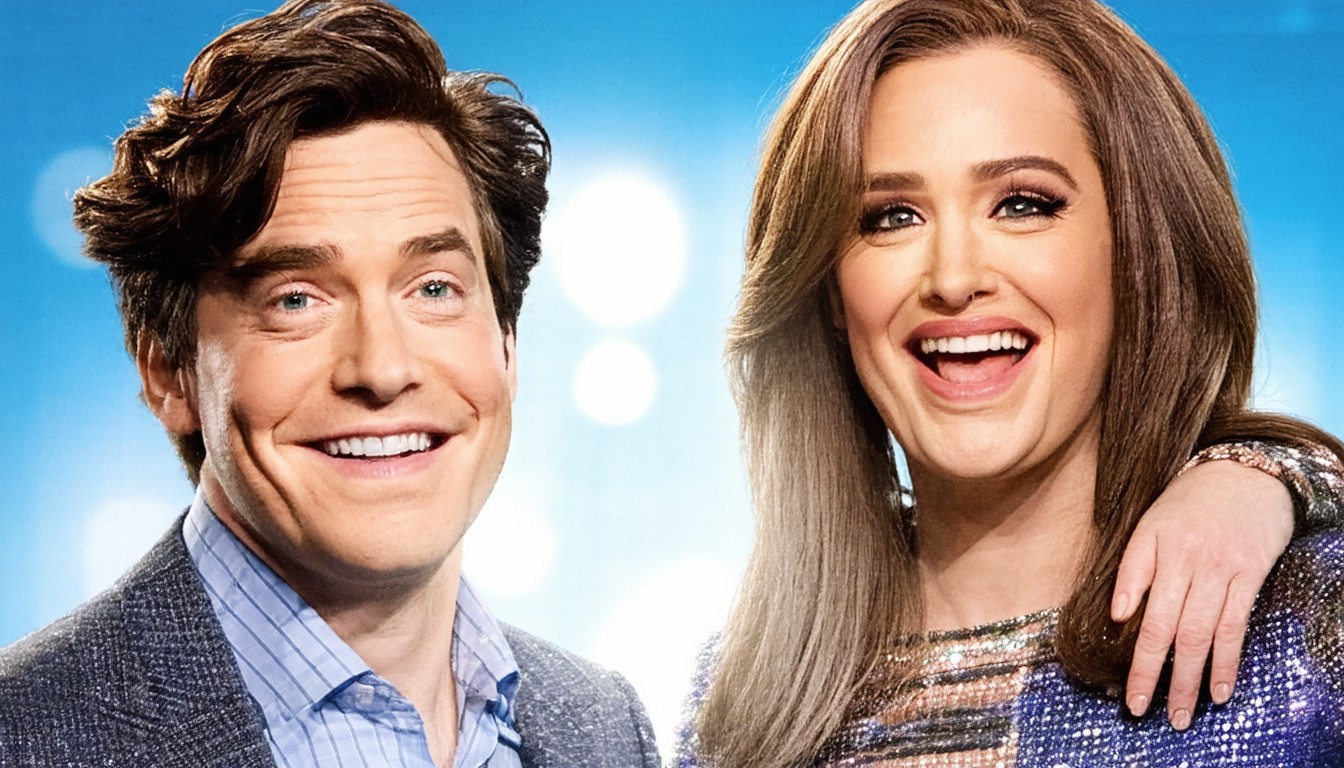
For almost five decades, “Saturday Night Live” (SNL) has been a weekly touchstone for American comedy, launching the careers of sketch stars and forging unforgettable pop culture moments. The iconic late-night institution seamlessly blends sharp political satire with slapstick, musical parodies with trenchant social commentary. Its format—a revolving door of celebrity hosts, musical guests, and cast-led sketches—remains a magnet for both up-and-coming talent and established A-listers seeking to flex their comedic muscles. Today, SNL’s latest sketches consistently ignite social media conversation, reinforcing its place at the heart of the comedy zeitgeist.
Celebrity Hosts: Star Power and Breakout Moments
Few variety shows have endured like SNL, in large part because of its canny use of celebrity hosts. Over the decades, SNL has welcomed everyone from Hollywood leading lights (think Tom Hanks and Emma Stone) to athletes, politicians, and musical powerhouses. The host’s monologue frequently sets the night’s comedic tone, sometimes offering candid, topical humor—other times poking fun at the host’s own persona.
Unforgettable Hosts and Their Contributions
Longtime viewers recall hosts like Betty White, whose episode in 2010, propelled by a grassroots social media campaign, became the highest-rated SNL in years. More recently, Harry Styles, Lizzo, and Adam Driver have showcased unexpected comedic chops, while political figures like Al Gore and John McCain have demonstrated the show’s unique capacity to bridge audiences. Each season, the casting of first-time hosts is closely watched—drumming up anticipation and, occasionally, sparking viral sketches that resonate far beyond Rockefeller Plaza.
“SNL’s host model remains a winning formula not just by providing variety, but by letting cultural icons experiment with persona and public expectation—in a live, high-stakes environment,” notes TV critic Leah Goldman.
Diversity and Cultural Impact
In recent years, SNL has faced both praise and scrutiny for its evolving approach to representation. Hosts such as Simu Liu and Quinta Brunson have symbolized broader industry trends toward diversity and inclusion. These choices both reflect and influence larger conversations about who gets to own the comedic narrative on the nation’s biggest stage.
Latest Sketches: Satirical Pulse and Fan Favorites
Week after week, SNL’s writers’ room responds to the headlines, delivering sketches that often become Monday-morning watercooler talk. In the current climate—marked by fast-moving news cycles and digital shareability—the show’s sketches are crafted to play well in both live broadcast and social video snippets.
Spotlight on Recent Iconic Sketches
- Political Satire: SNL sustains its reputation for lampooning politicians. Recent seasons have featured razor-sharp impressions of figures across the spectrum, from Alec Baldwin’s Trump to James Austin Johnson’s Biden.
- Pop Culture Parodies: The show frequently dials into trending topics—be it spoofing popular TV series like “Succession” or riffing on viral TikTok content.
- Recurring Characters: Enduring fan favorites, such as “Weekend Update” anchors Colin Jost and Michael Che, provide a satirical news segment that often delivers the night’s sharpest punchlines.
The Role of Digital Media
As viewer habits shift, SNL’s sketches are increasingly designed for digital virality. In recent years, sketches like “David S. Pumpkins” and “Matt Foley: Motivational Speaker” have enjoyed second lives online, underscoring how the brand has adapted to new platforms. The show’s YouTube presence now garners millions of views per sketch, ensuring clips reach global audiences within hours.
Comedy Highlights: Defining Moments and Trends
To understand SNL’s sustained relevance, it’s essential to look at how certain sketches, hosts, and comedic trends ripple outward—shaping both comedy and national discourse.
Viral Moments and Cultural Conversation
Each season features at least a handful of sketches that find viral fame well beyond their airing. For example, the “Diner Lobster” musical sketch or Kate McKinnon’s memorable Hillary Clinton impersonations became cultural shorthand almost overnight. SNL’s ability to crystallize public feeling—whether around elections, pop music, or sudden scandals—has helped keep it relevant even as media consumption fragments.
Cast Chemistry and Breakout Stars
At its core, SNL is an incubator for next-generation talent. Performers like Kristen Wiig, Bill Hader, and more recently Bowen Yang and Chloe Fineman, have blended sharp writing with live improvisational skill. Yang, for example, broke new ground as both the first Chinese-American and the first openly gay male cast member—signaling SNL’s gradual, though sometimes contested, effort to reflect contemporary America.
“The alchemy of SNL lies not just in the writing, but in assembling a cast that can rise to sketch comedy’s live-wire unpredictability,” says comedian and former cast member Maya Rudolph.
Responding to Changing Times
The COVID-19 pandemic forced SNL into significant production pivots, including “at-home” episodes and remote monologues. These adaptations underscored the nimbleness of both the show’s writers and performers, proving that even in a disrupted media landscape, live sketch comedy could remain vital and adaptive.
Behind the Scenes: Writing, Production, and Creative Process
The breakneck pace and collaborative nature of SNL’s weekly production cycle are legendary in entertainment circles. Writers—often collaborating with the night’s host—must conceive, draft, and revise sketches in a matter of days.
The Weekly Grind
Each show follows a tightly wound timeline:
- Monday Pitch Meeting: Writers and cast propose sketch concepts.
- Tuesday Writing Night: Full scripts are written, often into the early morning.
- Wednesday Read-Through: The team selects final sketches; rehearsals begin.
- Saturday Final Rehearsals: Dress rehearsal (with an audience) tests timing and crowd response.
- Saturday Live Broadcast: Sketches air live—mistakes and all.
This process, demanding both speed and creative precision, has forged some of the most memorable spontaneous moments in TV history.
Collaboration and the SNL Ecosystem
The interplay between cast, hosts, musicians, and the behind-the-scenes crew contributes to a unique ecosystem—part writers’ room, part improv stage. Alumni often credit the show’s high-pressure environment with honing their comedic instincts for future roles in film, stand-up, and television.
Conclusion: Why SNL Remains a Comedy Essential
Nearly fifty years since its launch, “Saturday Night Live” remains an irreplaceable part of American pop culture. Its blend of satire, celebrity, and willingness to respond to current events in real-time distinguishes it from other sketch comedy. While SNL has not been without controversy or growing pains, it continues to surface new talent, experiment with digital media, and reflect the nation’s changing sense of humor. For comedy fans, showbiz observers, and casual viewers alike, tuning in or catching the latest sketch online is still a ritual—proving that, at its best, SNL is more than a show: it’s a national conversation.
FAQs
What is SNL’s format each week?
SNL typically features a celebrity host, a musical guest, and a variety of live comedy sketches, culminating in the “Weekend Update” segment.
Who writes the sketches for SNL?
A team of staff writers, along with cast members and sometimes the weekly host, collaborates to create new sketches on a tight deadline each week.
How are hosts and musical guests chosen for SNL?
Producers select hosts and guests based on current relevance, popularity, and sometimes promotional opportunities tied to movies, albums, or other projects.
How has SNL changed to reflect diversity?
In recent years, SNL has made efforts to diversify both its cast and host roster, including the addition of performers from underrepresented backgrounds.
Where can viewers watch recent SNL sketches?
Many sketches are available shortly after broadcast on SNL’s official YouTube channel and streaming platforms such as Peacock.
Which SNL sketches have become the most popular online?
Viral hits such as “More Cowbell,” “Celebrity Jeopardy,” and “David S. Pumpkins” have reached large audiences beyond television, thanks to social media sharing.















Leave a comment