

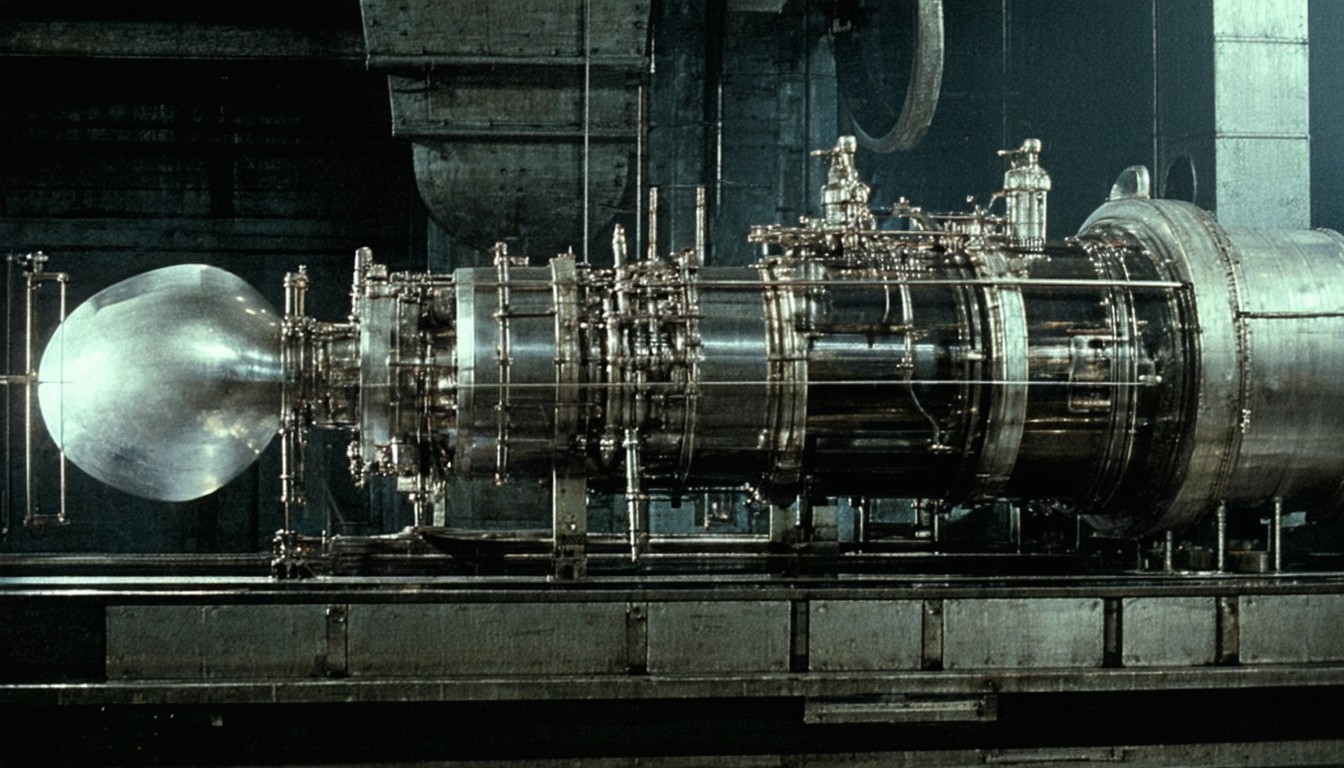
A Cult Indie Game Becomes a Cinematic Event
In the evolving landscape of horror cinema, few projects have captured both the curiosity and apprehension of genre enthusiasts like “Iron Lung.” Based on the critically-acclaimed 2022 indie video game developed by David Szymanski, the film adaptation transforms an atmospheric, claustrophobic gaming experience into a tense cinematic event. The buzz surrounding the project grew exponentially due to two factors: its unique minimalism, and the involvement of YouTuber-turned-filmmaker Mark Fischbach (better known as Markiplier) in multiple creative roles.
The “iron lung” itself—a cramped, rusty submarine called the Cold Iron—serves as the core setting. Its blend of lo-fi horror and psychological suspense taps into a broader resurgence of indie games crossing into the mainstream and inspiring feature adaptions. Against a backdrop of high-budget studio horror, “Iron Lung” offers an intimate, unsettling vision driven by creative constraints rather than blockbuster bravado.
Origins: From Indie Game to Feature Film
How the Iron Lung Game Shaped Its Adaptation
David Szymanski’s original game drew widespread praise for its minimalist design, intense atmosphere, and reliance on the player’s imagination. Set after an unexplained astronomical event wipes out most stars, the player pilots a one-person submarine through a blood ocean on a desolate moon. The game’s horror is derived as much from what is unseen as what is revealed, turning sensory deprivation and isolation into narrative tools.
The film adaptation keeps these elements at its core, only expanding narrative scope where necessary for cinematic storytelling. Notably, the choice to retain the single-setting approach mirrors trends from other recent indie-to-film hits such as “Five Nights at Freddy’s,” where creators maintain the original’s spirit despite the transition to a new medium.
“The claustrophobic tension of the game made it the perfect source material for a unique horror film. Bringing that anxiety to a different audience, while staying true to the spirit of the experience, was our guiding light from day one,” Szymanski has stated.
Plot Summary: Submerged in Terror
Setting and Premise
The narrative is stark yet effective: following the mysterious “Quiet Rapture”—a cosmic event that blinked out the stars—a desperate civilization sends prisoners on grim, one-way missions. The protagonist, unnamed in both the game and the film, is locked inside the Cold Iron, a decrepit submersible, and tasked with mapping the ocean of blood found on an isolated moon. There are no windows. Navigation relies solely on instruments, maps, and the haunting echoes picked up by sonar.
Tension in Confinement
What sets “Iron Lung (film)” apart is its refusal to grant respite. Every groan of the submarine’s hull and every ping of the sonar builds mounting dread. The limitations of the protagonist replicate those imposed on the audience—there’s nowhere to run, and precious little guidance as the tension ratchets up. Psychological terror ensues, compounded by reminders of isolation and inescapability.
As the journey progresses, the protagonist uncovers grotesque, inhuman phenomena lurking in the depths and pieces together cryptic entries from previous doomed missions. Each discovery intensifies the feeling that something ancient and malevolent is hunting—or perhaps waiting for—the solitary explorer.
Cast and Key Creatives
Markiplier’s Multifaceted Role
Mark Fischbach—a digital content pioneer with over 30 million YouTube subscribers—makes his feature directorial debut with “Iron Lung.” Markiplier also wrote, produced, and starred in the project, marking a bold multi-hyphenate move rare for modern horror adaptations. He has cited the challenge and intensity of the production as “transformative,” emphasizing the importance of respecting both the original lore and audience expectations.
Supporting cast members, while minimal (in keeping with the game’s spirit), contribute nuanced performances that elevate the tension rather than distract from it. While the full cast list remains streamlined—another cost-effective and thematically resonant choice—each appearance amplifies the sense of unknown threat.
David Szymanski’s Involvement
Unusually for a game adaptation, original creator David Szymanski participated closely during development, consulting on tone and narrative as the screenplay evolved. This collaboration ensured that subtle details, such as the submarine’s instrumentation and the eldritch feel of its world, remained authentic.
Visuals, Sound, and Practical Effects
Atmosphere Over Spectacle
“Iron Lung (film)” distinguishes itself from contemporary horror through its reliance on atmosphere, practical effects, and minimal CGI. Critics and early viewers have consistently highlighted the film’s sound design as a standout, leveraging silence and industrial ambiance to deepen dread.
Cinematographer Laszlo Cser designed lighting that echoes the game’s gloom, using tight angles and dim illumination to conceal as much as reveal. These choices evoke classics like “Alien” and “Das Boot,” where suspense emerges from confinement and suggestion rather than overt spectacle.
Budget Constraints as Creative Driver
Operating without a blockbuster budget, the film’s team prioritized authentic physical sets and camera tricks. This approach yielded a tactile quality missing from many recent horror films. It also allowed for shadowy threats and lurking fears—never fully visible, always present.
Reception and Cultural Impact
Fan Anticipation and Critical Reaction
Even before its release, “Iron Lung (film)” became a touchstone topic within online horror communities. Fans of the game eagerly dissected teaser trailers, hoping the adaptation would preserve the oppressive uncertainty that defined the original experience. Upon limited theatrical release, early reviews praised its atmospheric fidelity and Markiplier’s committed performance, though some noted its deliberate pacing as divisive.
“What makes ‘Iron Lung’ remarkable is its commitment to doing more with less. It’s a masterclass in mood and mounting dread, proving that creative vision can trump big budgets in horror,” observed a leading genre critic.
Broader Trends in Indie Horror Adaptations
The film’s arrival coincides with a notable surge in adaptations of independent games into films and streaming series. Franchises like “Five Nights at Freddy’s” and “The Last of Us” have demonstrated the appetite for game-based storytelling that honors original mechanics and mood. “Iron Lung” stands out by retaining not just narrative, but the sensory limits and psychological depth of its source material—a lesson other adaptations may emulate.
Conclusion: A Landmark in Claustrophobic Horror
“Iron Lung (film)” exemplifies how creative storytelling and devoted adaptation can achieve chilling results without blockbuster excess. From its indie game roots to its meticulously crafted cinematic realization, the project underscores the value of atmosphere, collaboration, and respect for a devoted fanbase. For enthusiasts of psychological horror and minimalist design, “Iron Lung” marks an essential entry in modern genre cinema. Its success may very well shape the trajectory of future game-to-film adaptations, encouraging filmmakers to embrace restraint, tension, and creative daring over reliance on spectacle.
FAQs
What is the plot of Iron Lung (film)?
A lone prisoner is forced to pilot a decrepit submarine across a blood ocean on an isolated moon, documenting strange phenomena after an apocalyptic event wipes out most stars. The film focuses on claustrophobia, psychological horror, and the escalating terror of what lurks just beyond reach.
Who stars in Iron Lung (film)?
Mark Fischbach, widely known as Markiplier, takes lead roles as director, writer, producer, and actor, joined by a small yet impactful supporting cast to maintain the atmospheric intensity of the source material.
Is the film faithful to the original Iron Lung video game?
The adaptation remains highly faithful, deliberately preserving the original’s single-setting tension and sensory deprivation. David Szymanski, the game’s creator, contributed as a consultant to ensure authenticity.
What makes Iron Lung different from other horror films?
Unlike many modern horror films, “Iron Lung” relies on minimalism, practical effects, and psychological suspense, drawing dread from ambiguity and isolation rather than jump scares or heavy CGI.
How was the atmosphere of the submarine created on film?
Through practical sets, oppressive sound design, and deliberate lighting, filmmakers recreated the submarine’s confined environment, resulting in a tactile and immersive sense of anxiety and suspense.
Is Iron Lung suitable for viewers who haven’t played the game?
Absolutely. While fans of the game will appreciate subtle nods, newcomers can engage with the film’s standalone story and universal themes of fear, confinement, and the unknown.















Leave a comment